

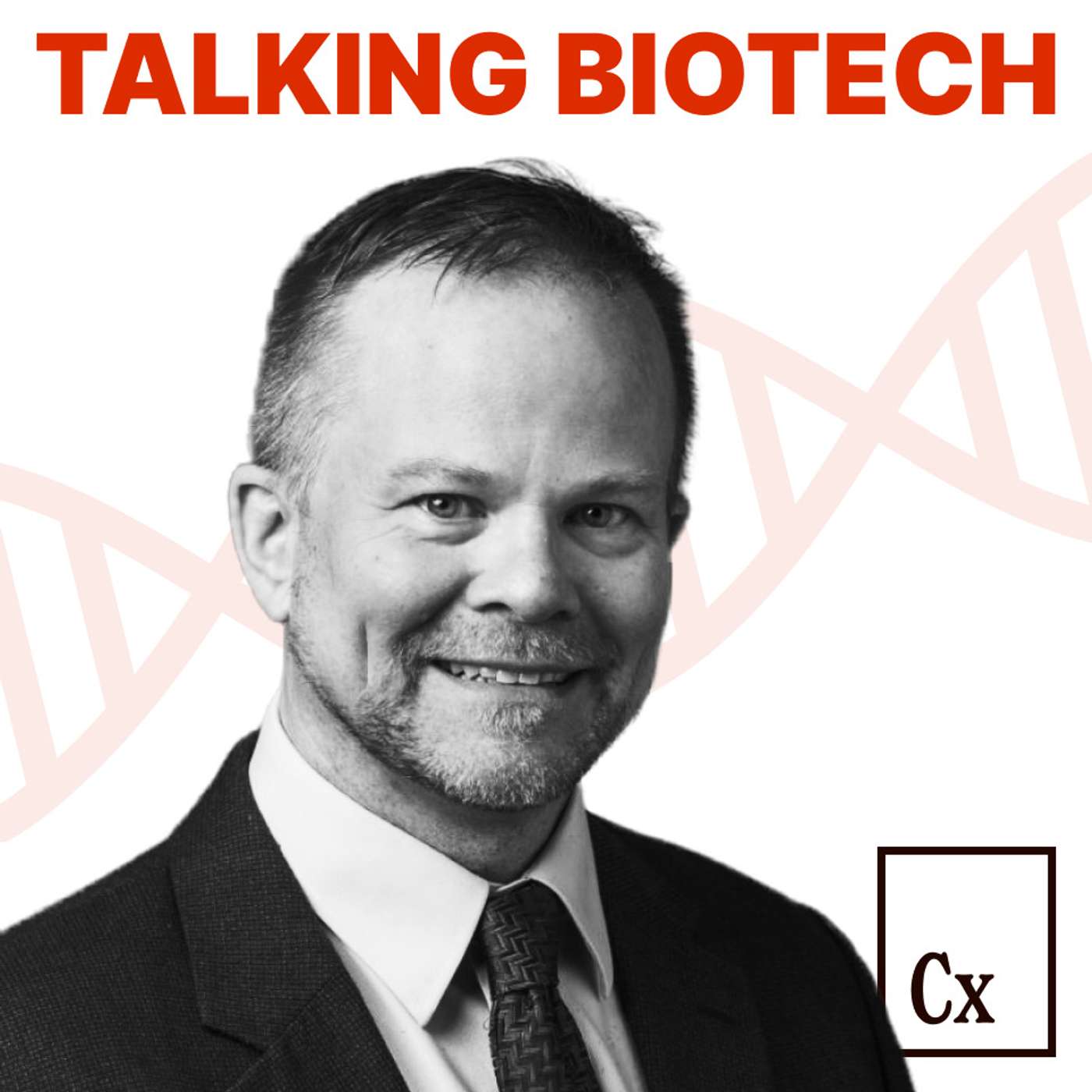
Talking Biotech with Dr. Kevin Folta
Colabra
Talking Biotech is a weekly podcast that uncovers the stories, ideas and research of people at the frontier of biology and engineering.
Each episode explores how science and technology will transform agriculture, protect the environment, and feed 10 billion people by 2050.
Interviews are led by Dr. Kevin Folta, a professor of molecular biology and genomics.
Each episode explores how science and technology will transform agriculture, protect the environment, and feed 10 billion people by 2050.
Interviews are led by Dr. Kevin Folta, a professor of molecular biology and genomics.
Episodes
Mentioned books

Jan 27, 2018 • 29min
Know Ideas Media, Nick Saik
When we talk about food and farming, Nick Saik has been excited to tell the story through the camera lens. Nick has built quite an empire by telling the story of food and farming technology. Please check out Nick’s videos and support his efforts.This is the Know Ideas website. Check out Nick’s YouTube channel here. Follow Nick Saik on Twitter: @nick_saik Know Ideas Media on Facebook # COLABRATalking Biotech is brought to you by Colabra – an R&D platform that brings your lab’s world-changing research together in one shared space. Learn more at https://www.colabra.app/# TALKING BIOTECHTwitter: https://twitter.com/talkingbiotechWebsite: https://www.colabra.app/podcasts/talking-biotech/Instagram: https://www.instagram.com/colabrahqThe Talking Biotech podcast is distinct from Dr. Kevin Folta's teaching and research roles at the University of Florida. The views expressed on the show are those of Dr. Folta and his guests, and do not reflect the opinions of the university or Colabra.
Jan 20, 2018 • 56min
Pet Vaccines and Pet Foods
Other areas swimming in myth and misinformation involve our pets. Domesticated animals are part of our lives, and therefore are frequent subjects of marketing shams and dangerous trends. An animal anti-vaccination movement is alive and well, and a pet food industry is as steeped in half truths, marketing and emotional appeals attempts to skew consumer purchasing trends. This week’s podcast interviews two experts in the area of pet food and vaccination. Dr. Debbie Cottrell a veterinarian and the owner of West End Animal Hospital in Newberry, Florida. She prides herself on an evidence-based practice, and is especially critical of claims that attempt to misinform her clients. Dr. Amy Stone is a small animal veterinarian from the University of Florida with an extensive background in immunology. We had a wonderful conversation about recent trends, hot topics, and the manipulation of pet owners by unscrupulous marketers and ideologs, that sometimes can have negative outcomes for animals and owners.Visit Dr. Cottrell’s West End Animal Hospital Facebook PageDr. Amy Stone’s website# COLABRATalking Biotech is brought to you by Colabra – an R&D platform that brings your lab’s world-changing research together in one shared space. Learn more at https://www.colabra.app/# TALKING BIOTECHTwitter: https://twitter.com/talkingbiotechWebsite: https://www.colabra.app/podcasts/talking-biotech/Instagram: https://www.instagram.com/colabrahqThe Talking Biotech podcast is distinct from Dr. Kevin Folta's teaching and research roles at the University of Florida. The views expressed on the show are those of Dr. Folta and his guests, and do not reflect the opinions of the university or Colabra.
Jan 13, 2018 • 33min
Haskap Berries; A Lifetime in Plant Breeding
Dr. Maxine Thompson is a trailblazer. With her education and profound interest in plant breeding, she defied a male-dominated establishment and became a plant breeder at a major university. She would establish a decades-long career in plant breeding at Oregon State University, traveling the world on collection missions and making critical selections that define the roots of the OSU Hazelnut Breeding Program, still thriving today. Now in retirement she continues to breed plants, namely the Haskap Berry (Lonicera caerulea), a flavorful fruit slightly different from the blue honeysuckle. We enjoy an inspirational discussion about her training, her career, and the tremendous barriers she faced as a woman in science. We also discuss her current plant breeding interests and the development of the Haskap Berry. Buy ‘Japanese Haskap’ bushes at Spring Meadow Nursery! Here’s the link to Stone Barn Brandyworks where they sell Haskap Liqueur!# COLABRATalking Biotech is brought to you by Colabra – an R&D platform that brings your lab’s world-changing research together in one shared space. Learn more at https://www.colabra.app/# TALKING BIOTECHTwitter: https://twitter.com/talkingbiotechWebsite: https://www.colabra.app/podcasts/talking-biotech/Instagram: https://www.instagram.com/colabrahqThe Talking Biotech podcast is distinct from Dr. Kevin Folta's teaching and research roles at the University of Florida. The views expressed on the show are those of Dr. Folta and his guests, and do not reflect the opinions of the university or Colabra.
Jan 6, 2018 • 43min
Early Plant Transformation; All Creatures Podcast
Dr. Ray Shillito is a scientist that spent the early part of his career in plant transformation, attempting novel approaches in the early 1980’s. It was a time of rapid development of new techniques, and a race to move genes into plants with the goal of genetic improvement. Dr. Shillito shares his memories of that time, and then touches on his recent passion– how to train scientists to prepare better presentations. In the second part of the podcast I speak with Angie Adkin. Angie is a graduate student that hosts the All Creatures Podcast, and we discuss the value of creating new media and the associated career benefits and pitfalls. Follow Dr. Ray Shillito on Twitter: @Shillito_Ray Follow All Creatures Podcast on Twitter: @allcreaturespod All Creatures Podcast on Facebook# COLABRATalking Biotech is brought to you by Colabra – an R&D platform that brings your lab’s world-changing research together in one shared space. Learn more at https://www.colabra.app/# TALKING BIOTECHTwitter: https://twitter.com/talkingbiotechWebsite: https://www.colabra.app/podcasts/talking-biotech/Instagram: https://www.instagram.com/colabrahqThe Talking Biotech podcast is distinct from Dr. Kevin Folta's teaching and research roles at the University of Florida. The views expressed on the show are those of Dr. Folta and his guests, and do not reflect the opinions of the university or Colabra.
Dec 30, 2017 • 1h
Review, 2018 Directions
In 2017 we recorded 53 new episodes, including guest hosts and a great range of outstanding guests. 2018 has some interesting new edges. Kevin and Paul talk about the year in review, and the plans for the future.End of 2017 with 672,000+ downloads. Thank you for listening and for all of your support.# COLABRATalking Biotech is brought to you by Colabra – an R&D platform that brings your lab’s world-changing research together in one shared space. Learn more at https://www.colabra.app/# TALKING BIOTECHTwitter: https://twitter.com/talkingbiotechWebsite: https://www.colabra.app/podcasts/talking-biotech/Instagram: https://www.instagram.com/colabrahqThe Talking Biotech podcast is distinct from Dr. Kevin Folta's teaching and research roles at the University of Florida. The views expressed on the show are those of Dr. Folta and his guests, and do not reflect the opinions of the university or Colabra.
Dec 23, 2017 • 25min
Control of Aflatoxin in Groundnut
Groundnut, or peanut, is a major food staple and excellent protein source in many parts of the world. However, since the nut itself develops in soil, it is prone to fungal infection with Aspergillus flavus, the species that produces aflatoxin. Aflatoxins are some of the most potent naturally-produced carcinogens and are thought to be responsible for liver cancer worldwide. In the Developing World fungal infection and toxin production are a problem on fresh and stored food products. Fungicides and other chemical controls are not readily available. Dr. Dilip Shah from the Donald Danforth Plant Science Center worked with a team of researchers to devise a multi-faceted plan to protect groundnut from fungal infections. In this week’s podcast he describes two approaches, of how genetic engineering can be used to control the fungus, or its production of the toxin.# COLABRATalking Biotech is brought to you by Colabra – an R&D platform that brings your lab’s world-changing research together in one shared space. Learn more at https://www.colabra.app/# TALKING BIOTECHTwitter: https://twitter.com/talkingbiotechWebsite: https://www.colabra.app/podcasts/talking-biotech/Instagram: https://www.instagram.com/colabrahqThe Talking Biotech podcast is distinct from Dr. Kevin Folta's teaching and research roles at the University of Florida. The views expressed on the show are those of Dr. Folta and his guests, and do not reflect the opinions of the university or Colabra.
Dec 16, 2017 • 43min
The Tragic Story of Nikolai Vavilov / Science Moms Documentary
Nikolai Vavilov was a Russian scientist in the early 1900’s. He was known for his characterization of plants, understanding crop domestication, and the centers of origin for many species. He traveled the world with expedition parties to identify and characterize plant species. His collections of seed and samples were extensive, and he was noted as one of the great scientists of the time, and understood inheritance while scientists were developing the concept of a gene. However, as Stalin rose to power Vavilov’s work was less appreciated. His Darwinian concepts were inconsistent with the interests of the government doctrine, which would ultimately lead to his imprisonment and slow execution. The story is told by Dr. Jules Janick, Distinguished Professor at Purdue University.In the second half of the podcast I speak with Natalie Newell, Director and Producer of the Science Moms documentary. The film provides interviews with five different mothers that are forced to navigate a maze of parenting misinformation available on the internet. They also are scientists or science communicators, providing unique insights and analysis of moms tired of attempts of shaming and manipulation, driven by unscrupulous marketers and activists. We also address the claims that it was “all paid for and developed by an agrotech PR firm.Watch the Science Moms trailer Science Moms website Follow Natalie Newell on Twitter; @ncnewell# COLABRATalking Biotech is brought to you by Colabra – an R&D platform that brings your lab’s world-changing research together in one shared space. Learn more at https://www.colabra.app/# TALKING BIOTECHTwitter: https://twitter.com/talkingbiotechWebsite: https://www.colabra.app/podcasts/talking-biotech/Instagram: https://www.instagram.com/colabrahqThe Talking Biotech podcast is distinct from Dr. Kevin Folta's teaching and research roles at the University of Florida. The views expressed on the show are those of Dr. Folta and his guests, and do not reflect the opinions of the university or Colabra.
Dec 9, 2017 • 26min
BONUS TRACK: Dicamba Situation
Podcast 112 was a discussion of the dicamba situation. Since that episode was recorded I attended a conference from the North Central Weed Science Society in St. Louis, and heard more information first hand. I also gave my perspectives in a 20 minute talk. In today’s podcast bonus track I recap some of the discussion. Bottom line, this problem needs to be solved, and the companies that sell the seeds and chemicals better stop pointing fingers. They need to make harmed farmers whole again and fix the technology before suggesting its continued use.# COLABRATalking Biotech is brought to you by Colabra – an R&D platform that brings your lab’s world-changing research together in one shared space. Learn more at https://www.colabra.app/# TALKING BIOTECHTwitter: https://twitter.com/talkingbiotechWebsite: https://www.colabra.app/podcasts/talking-biotech/Instagram: https://www.instagram.com/colabrahqThe Talking Biotech podcast is distinct from Dr. Kevin Folta's teaching and research roles at the University of Florida. The views expressed on the show are those of Dr. Folta and his guests, and do not reflect the opinions of the university or Colabra.
Dec 6, 2017 • 33min
The Dicamba Situation
Over the last two years we have heard reports of herbicide damage to Midwestern crops, bearing the signatures of damage from dicamba. Dicamba is an older herbicide, an auxin analog that mimics a plant hormone associated with growth and cell division. This herbicide was made relevant again in soybeans and cotton, which have been genetically engineered to be dicamba resistant, needed because of the increase in glyphosate-resistant weeds. Since the deployment of these seeds, farmers have seen evidence of herbicide damage, opening endless finger pointing and legal gyrations. University extension experts have weighed in. Companies deny wrongdoing. How to sort this out? This episode features guest Karen Corrigan, an independent agronomist that provides boots-on-the-ground assessment of the problem, how it happens, and what is likely to occur in the next steps.Follow Karen on Twitter: @weedgirl24 Also listen to Karen on Girls Talk Ag podcast!# COLABRATalking Biotech is brought to you by Colabra – an R&D platform that brings your lab’s world-changing research together in one shared space. Learn more at https://www.colabra.app/# TALKING BIOTECHTwitter: https://twitter.com/talkingbiotechWebsite: https://www.colabra.app/podcasts/talking-biotech/Instagram: https://www.instagram.com/colabrahqThe Talking Biotech podcast is distinct from Dr. Kevin Folta's teaching and research roles at the University of Florida. The views expressed on the show are those of Dr. Folta and his guests, and do not reflect the opinions of the university or Colabra.
Dec 2, 2017 • 50min
Seed Company Consolidation
Over the last century there was an incredible rise in the number of seed companies, driven primarily by the profitability of hybrid seeds in regional markets. After the 1980’s, there has been great consolidation in the seed markets, resulting in about a dozen companies selling the vast majority of seeds. The field is dominated by the “Big Six”, several companies that had broad portfolios, that purchased smaller companies in the last decades’ consolidations. The consolidation continues, as large companies are buying each other, concentrating technology and resources in a few corporate hands. Prof. Sylvie Bonny from INRA discusses the concerns and impacts of consolidation, as presented in her recent review in Sustainability. Download the paper discussed here. Follow Dr. Vincelli: @pvincell His blog: Out-of-the-box# COLABRATalking Biotech is brought to you by Colabra – an R&D platform that brings your lab’s world-changing research together in one shared space. Learn more at https://www.colabra.app/# TALKING BIOTECHTwitter: https://twitter.com/talkingbiotechWebsite: https://www.colabra.app/podcasts/talking-biotech/Instagram: https://www.instagram.com/colabrahqThe Talking Biotech podcast is distinct from Dr. Kevin Folta's teaching and research roles at the University of Florida. The views expressed on the show are those of Dr. Folta and his guests, and do not reflect the opinions of the university or Colabra.

