

Grazing Grass Podcast | Rotational Grazing, Soil Health & Profitable Livestock Farming
Grazing Grass
The Grazing Grass Podcast features insights and stories of regenerative farming, specifically emphasizing grass-based livestock management. Our mission is to foster a community where grass farmers can share knowledge and experiences with one another. We delve into their transition to these practices, explore the ins and outs of their operations, and then move into the "Over Grazing" segment, which addresses specific challenges and learning opportunities. The episode rounds off with the "Famous Four" questions, designed to extract valuable wisdom and advice. Join us to gain practical tips and inspiration from the pioneers of regenerative grass farming.
This is the podcast for you if you are trying to answer: What are regenerative farm practices? How to be grassfed? How do I graze other species of livestock? What's are ways to improve pasture and lower costs? What to sell direct to the consumer?
This is the podcast for you if you are trying to answer: What are regenerative farm practices? How to be grassfed? How do I graze other species of livestock? What's are ways to improve pasture and lower costs? What to sell direct to the consumer?
Episodes
Mentioned books

Mar 25, 2026 • 1h 21min
216 | Brett Chedzoy, New York | How to Turn Existing Woodland into Productive Grazing
Brett Chedzoy is a Cornell Extension Forester and co-operator of Angus Glen Farms in upstate New York, where he and his wife Maria graze over 100 cow-calf pairs across 600 acres with much of it wooded. He's also been ranching in central Argentina since the mid-1990s, where he first discovered his love for cattle after heading there as a Peace Corps volunteer fresh out of graduate school.In this episode, Brett breaks down silvopasture and how to evaluate existing woodland and open it up for productive grazing. He explains why thinning your woods isn't just about letting in light, it's about protecting the long-term value of your timber while growing more forage.Topics covered:Brett's background: Kansas wheat farming roots, a Welsh sheep-herding grandfather, Peace Corps in Argentina, and what the gauchos taught him about the difference between working hard and working smartWhat silvopasture looks like in the forested Northeast vs. the savanna-style systems common in other regionsWhy cool-season forages like orchardgrass can actually thrive in light shade and how silvopasture extends your grazing season on both endsThe 10-question site evaluation tool Brett developed to assess whether a piece of woodland is a good silvopasture candidateHow to find the right logging crew for silvopasture thinning (hint: it's a very different operation than high-value timber harvest)The forester vs. farmer timescale problem and how to find the middle groundWho to call first: land grant extension, state forestry agencies, and your local soil and water conservation districtWhy Brett recommends starting small and getting your first experience before tackling a 50-acre projectResources mentioned:Cornell Silvopasture resources — search "Cornell silvopasture" or visit forestconnect.infoBrett's 10-question silvopasture site evaluation toolNational Agroforestry CenterUniversity of Missouri silvopasture resources
Looking for grass-based breeders? Explore the Grass Based Genetics directory.Upcoming Grazing EventsNoble Profitability Essentials - Jefferson City, Mo, March 24-25, 2026Visit our Sponsors:Noble Research InstituteRedmond Agriculture Grassroots CarbonGrazing Grass LinksWebsiteCommunity (on Facebook)Original Music by Louis Palfrey

Mar 18, 2026 • 1h 4min
215 | How Carbon Credits Work for Ranchers | Molly Faught & Hunter Jones
What if your land could pay you… without selling livestock? Molly Faught and Hunter Jones from Grassroots Carbon joins today to explain what carbon credits are, how to qualify for them, and how to get started making extra money.If you own your land and plan to be there awhile, this is a must-listen episode. If you know someone wanting to earn more money from their land, share this episode with them.Question of the Week: If this is available to you, would you do it? Why or why not?Find out more at https://grassrootscarbon.com
Looking for grass-based breeders? Explore the Grass Based Genetics directory.Upcoming Grazing EventsNoble Profitability Essentials - Jefferson City, Mo, March 24-25, 2026Visit our Sponsors:Noble Research InstituteRedmond Agriculture Grassroots CarbonGrazing Grass LinksWebsiteCommunity (on Facebook)Original Music by Louis Palfrey

Mar 11, 2026 • 1h 20min
214 | Erich & Allison Henschel, Virginia | Small Acreage Grazing with Hogs, Goats and Cattle
How grazing works for very small acreage, all because of wanting more learning opportunities. Erich and Allison Henschel of Henschel Hof graze pigs, goats, and cattle in Virginia.In this episode:Why small livestock is better for small arceageWhy starting with smaller breeds lets you learn fasterWhy everything doesn't have to be perfectThis week's question: What did you start with for your grazing journey? Why? Join the conversation in the Grazing Grass Community | https://www.facebook.com/groups/grazinggrassHenschel Hof on Instagram | https://www.instagram.com/henschelhof/Grazing Grass Insiders | https://grazinggrass.com/insiders
Looking for grass-based breeders? Explore the Grass Based Genetics directory.Upcoming Grazing EventsNoble Profitability Essentials - Jefferson City, Mo, March 24-25, 2026Visit our Sponsors:Noble Research InstituteRedmond Agriculture Grassroots CarbonGrazing Grass LinksWebsiteCommunity (on Facebook)Original Music by Louis Palfrey

Mar 4, 2026 • 1h 20min
213 | Huw Foulkes, North Wales | Swimming Against the Current: A Micro Dairy with Red Polls and a Case for Regenerative Farming
Huw Foulkes runs Pentrefelin Dairy in North Wales in the UK, where he has built a grass-based cow and calf micro dairy around native Red Poll cattle while also stacking direct-to-consumer beef and other enterprises to serve his local community. In This Episode, We Explore:Starting a cow and calf micro dairy with a low-input, grass-based mindsetWhy Huw chose Red Polls for a dual-purpose dairy and beef systemManaging long rest periods and mob-style rotations to build soil and drought resilienceFarming on dry, light sandy soils and what that changes in grazing decisionsOutwintering strategies including bale grazing and standing hayBuilding a direct local market through farm gate sales, coffee shops, and educationUK requirements for legally selling milk, inspections, and testingKeeping infrastructure simple, including milking with a portable machine in an older parlorHow beef boxes help move the whole carcass and teach customers new cutsAdding poultry, pigs, and trees to stack enterprises on the same acresUsing farm tours and courses to educate the public and support local food systemsWhy This Episode MattersThis conversation is a practical look at building a resilient, small-scale livestock business by matching the animal to the land, keeping inputs low, and connecting directly with local customers. If you are thinking about micro dairy, direct marketing, or stacking enterprises, Huw shares what worked, what he had to learn the hard way, and how education and transparency can turn customers into long-term supporters.Resources MentionedFood Standards Agency (UK)Denbighshire local council food business registration (mentioned as the local authority process)Pasture for Life (study tours and farm visits)Find Out MoreInstagram | @pentrefelin_Website | www.pentrefelin.comYouTube | Pentrefelin Dairy
Looking for grass-based breeders? Explore the Grass Based Genetics directory.Upcoming Grazing EventsNoble Profitability Essentials - Jefferson City, Mo, March 24-25, 2026Visit our Sponsors:Noble Research InstituteRedmond Agriculture Grassroots CarbonGrazing Grass LinksWebsiteCommunity (on Facebook)Original Music by Louis Palfrey

Feb 25, 2026 • 1h 25min
212 | Mike Guebert, Oregon | How Two Former Vegetarians Built a Multi-Species Direct-to-Consumer Farm
Mike Guebert of Terra Farma in northwest Oregon joins Cal to share how he and his wife built a multi-species, direct-to-consumer farm over more than 20 years, from early days as first-generation farmers to running meat CSA sales, improving grazing systems, and teaching others through the Oregon Pasture Network. In This Episode, We Explore: Starting a first-generation farm from a blank slate with invasives, no fencing, and rough infrastructure Moving from vegetarian to raising and processing poultry on-farm Building a multi-species operation including beef, pork, sheep, goats, poultry, and more Managing grazing in a high rainfall, dry-summer region without irrigation Chicken tractor evolution, daily moves, and using a winch system for efficiency and injury prevention Marketing changes over time including launching a meat CSA in 2020 and the plan to transition away from it Stopping raw milk sales after losing liability insurance and regaining time and flexibility Moving toward a more seasonal, grass-only beef model to reduce winter feeding Teaching and producer support through pasture walks, cohorts, mentorship, and events with Oregon Pasture Network Conservation district work including farmland protection tools like conservation easements Why This Episode Matters This conversation is a practical look at how farm enterprises, marketing, and even personal capacity change over time, and why building community learning opportunities like pasture walks and cohorts can help producers avoid common pitfalls while improving grazing, profitability, and quality of life. Resources Mentioned Acres USA annual conference Ranching for Profit School Executive Link (Ranching for Profit) Oregon State University Small Farms Conference Oregon Pasture Network pasture walks Oregon FarmLink (Friends of Family Farmers) Find Out More Terra Farma website | terrafarmaers.net Terra Farma Instagram | @terrafarmaers Oregon Pasture Network | oregonpasturenetwork.org Friends of Family Farmers | friendsoffamilyfarmers.org East Multnomah Soil and Water Conservation District | emswcd.org
Looking for grass-based breeders? Explore the Grass Based Genetics directory.Upcoming Grazing EventsNoble Profitability Essentials - Jefferson City, Mo, March 24-25, 2026Visit our Sponsors:Noble Research InstituteRedmond Agriculture Grassroots CarbonGrazing Grass LinksWebsiteCommunity (on Facebook)Original Music by Louis Palfrey

Feb 18, 2026 • 1h 37min
211 | Tyler Flynn, Northern California | Back to Grandfather's Land: Building a Beef Operation and a YouTube Channel From Scratch
Tyler Flynn runs a small beef cow-calf operation in Northern California at Farmer Tyler Ranch, where he also grows hay and raises a few pigs and chickens for family use while documenting the work and lessons learned through his YouTube channel.In This Episode, We Explore: Coming back to a family ranch and building a cow-calf business on small acreage Northern California conditions, including irrigated pasture, rice country, and seasonal rainfall patterns How and why Tyler uses irrigated pasture rotation, including short rest periods in his context The shift from small square bales to round bales and what changed his mind Using hay equipment as a pasture improvement tool, including baling pastures after grazing Tackling smut grass by cutting, baling, and managing where those bales are fed Breed composition over time, including Hereford roots and adding SimAngus genetics for heterosis How YouTube influenced management decisions and helped drive experimentation Practical YouTube lessons for farmers, including audio, camera stability, and consistent postingWhy This Episode Matters This conversation is a good reminder that management has to fit the place and the people running it. Tyler shares what works on irrigated pasture in Northern California, how he thinks through rotation length, equipment decisions, and weed pressure, and why consistency and realism matter when you are balancing time, labor, and livestock.Resources Mentioned - GoPro cameras - Tripod (video stability) - Microphone (audio quality)Find Out More Farmer Tyler Ranch on YouTube | https://www.youtube.com/@farmertylerranch4399
Looking for grass-based breeders? Explore the Grass Based Genetics directory.Upcoming Grazing EventsNoble Profitability Essentials - Jefferson City, Mo, March 24-25, 2026Visit our Sponsors:Noble Research InstituteRedmond Agriculture Grassroots CarbonGrazing Grass LinksWebsiteCommunity (on Facebook)Original Music by Louis Palfrey

Feb 11, 2026 • 1h 23min
210 | Kasie Harriet, Oklahoma | The Milk Cow That Changed Everything: Raw Milk, Direct Sales, and the Gateway Drug to Farming
Kasie Harriet is the milkmaid at Shepherd Farms, where she and her husband Jacob are building a direct-to-consumer farm business that includes raw milk, sourdough, tallow skincare, and more, while managing cows in a rotational grazing setup and learning what it really takes to run a small dairy at the family scale. In This Episode, We Explore: Kasie’s path from FFA and wildlife work into farm life and dairy cows Why they pursued raw milk and how that led to buying their first family milk cow Lessons learned from a first cow that tested positive for bacteria and how they handled it Setting up a movable, low-cost milking stanchion and why “you don’t need a lot to do a lot” Hand milking vs machine milking and the real-world importance of equipment that is easy to clean Calf sharing, grafting a calf, and how that can add flexibility to dairy cow ownership Selling excess milk, managing weekly customers, and handling jars and deposits What to look for when buying a milk cow: testing, temperament, training, feeding history, and more Using Facebook to educate customers, build trust, and grow a local direct-to-consumer community Why This Episode Matters If you are considering a family milk cow or selling raw milk direct-to-consumer, this episode walks through the practical realities that often get skipped, including cow selection, sanitation concerns, equipment choices, customer management, and the setbacks that can happen even when you do things carefully. Kasie’s story is a grounded reminder to learn, adjust, and keep moving forward. Resources Mentioned Keeping a Family Cow by Joann S. Grohman Keeping a Family Milk Cow, holistic and organic (Facebook group) Find Out More Shepherd Farms | https://www.facebook.com/profile.php?id=100087351095567
Looking for grass-based breeders? Explore the Grass Based Genetics directory.Upcoming Grazing EventsNoble Profitability Essentials - Jefferson City, Mo, March 24-25, 2026Visit our Sponsors:Noble Research InstituteRedmond Agriculture Grassroots CarbonGrazing Grass LinksWebsiteCommunity (on Facebook)Original Music by Louis Palfrey

Feb 4, 2026 • 1h 25min
209 | Jacob Harriet, Oklahoma | From Wildlife Warden to Grazier: Prescribed Burns, Leased Land, and Following the Animals
Jacob Harriet of Shepherd Farms shares how his background in wildlife management in central Oklahoma shaped the way he uses livestock, prescribed fire, and land restoration to build better habitat and a workable farm business. From starting on a small homestead to managing over 1,240 acres through creative lease agreements, Jacob walks through what has worked, what he learned the hard way, and how grazing fits into a broader land stewardship plan.In This Episode, We Explore:Jacob’s path from wildlife law enforcement to using livestock as a habitat toolTurning an over-timbered 80 acres into productive grazing and wildlife habitatUsing rotational grazing to improve land function, manure distribution, and plant recoveryTree and timber management decisions focused on getting sunlight to the groundPrescribed fire vs mechanical clearing for controlling woody encroachment, especially cedarHow burn associations, burn plans, and local support make prescribed fire safer and more practicalManaging land for wildlife needs alongside grazing goals, including turkey and quail habitatFinding and using grants for infrastructure, water, timber work, and prescribed fireBuilding a mixed-species orchard and using chickens to manage pests and understoryA lease model that trades professional habitat management for grazing access across multiple propertiesTracking grazing and land work with mapping tools and documentationWhy This Episode MattersThis conversation is a practical look at connecting grazing, habitat, and land access in a way that works in the real world. If you are trying to improve a neglected property, reduce cedar pressure, learn why prescribed fire matters, or find a creative path to more grazing acres without buying land, Jacob’s approach offers clear ideas you can adapt to your own place.Resources MentionedNatural Resource University (podcast network)OnX Hunt Maps (phone app)NRCS (local office support for conservation programs and grants)National Wild Turkey Federation (NWTF)Quail ForeverTy Ty Nursery (trees for the orchard)Find Out MoreShepherd Farms | https://www.facebook.com/profile.php?id=100087351095567
Looking for grass-based breeders? Explore the Grass Based Genetics directory.Upcoming Grazing EventsNoble Profitability Essentials - Jefferson City, Mo, March 24-25, 2026Visit our Sponsors:Noble Research InstituteRedmond Agriculture Grassroots CarbonGrazing Grass LinksWebsiteCommunity (on Facebook)Original Music by Louis Palfrey
Jan 28, 2026 • 1h 36min
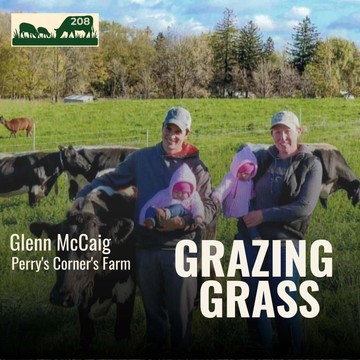
208 | Glenn McCaig, Ontario | Stop Trying to Fix Everything: Simplified Systems for Pigs, Cattle, Sheep, and Sanity
Glenn McCaig of Perry's Corners Farm returns to the Grazing Grass Podcast to talk through livestock systems that stay practical when you stop trying to perfect everything. Farming with his wife Megan and their three young children just outside Kitchener, Ontario, Glenn shares what is working on their sandy, rocky ground with Lynch Lineback cattle, English Large Black pigs, Clun Forest type sheep, and pastured poultry.In This Episode, We Explore:What Lynch Lineback cattle are and why Glenn values a closed herd approachCalf-sharing milk cows and feeding milk to pigs as part of a whole-farm systemA gilt-only farrowing system that simplifies pig management and tightens farrowing windowsSelecting boars early using practical traits like teat count and mothering abilityFarrowing in pens vs pasture, and what changed with labor, predator pressure, and piglet lossesUsing simple ear notching to make culling decisions faster and more consistent in sheepClosed-flock sheep management, prolific genetics, and handling triplets and quadsThe realities of wool marketing and why some wool is not worth savingWhy Glenn went soy-free (and briefly corn-free) with pigs, and what he learned trying soy-free layersWhat migratory grazing changed for Glenn, and the cattle behavior he notices nowA calendar-based way Glenn thinks about the summer slump, rest periods, and how hay decisions affect grazingWhy This Episode MattersIf you have ever felt like your livestock enterprise got harder the more you tried to fine-tune it, this episode gives a grounded look at simplifying without backing away from good management. Glenn lays out practical systems for pigs, sheep, and cattle that reduce moving parts, tighten decision making, and keep the farm working in real conditions like predator pressure, winter feeding, and limited labor.Resources MentionedAcres U.S.A. PodcastBarefoot Biodynamics by Jeff PoppenSteve Campbell (mentioned in context of clean minerals)Burke Teichert (quote referenced)Find Out MorePerry's Corners Farm | https://perryscornersfarm.caGrazing Grass Community
Looking for grass-based breeders? Explore the Grass Based Genetics directory.Upcoming Grazing EventsNoble Profitability Essentials - Jefferson City, Mo, March 24-25, 2026Visit our Sponsors:Noble Research InstituteRedmond Agriculture Grassroots CarbonGrazing Grass LinksWebsiteCommunity (on Facebook)Original Music by Louis Palfrey
Jan 21, 2026 • 1h 19min
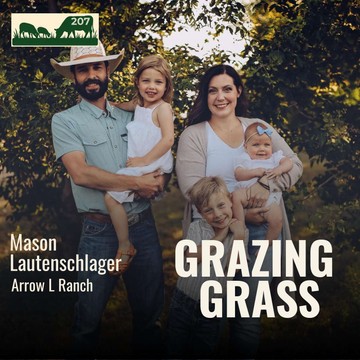
207 | Mason Lautenschlager, North Dakota | Losing the Family Farm at 12 and Building It Back From Nothing
Mason Lautenschlager and his wife Hannah run Arrow L Ranch near Berthold in northwest North Dakota, where they focus on grass-based enterprises including a cow-calf herd, some direct grass-finished beef, and selling multi-bred composite coming 2-year-old bulls developed on forage. In This Episode, We Explore: Building a ranch back after his family sold out of farming and ranching Buying cows at the top of the market and navigating the crash afterward Shifting the whole operation toward lower labor and lower equipment intensity Winter grazing decision-making around snow cover, forage quality, and flexibility Bale grazing setup, timing, and what it changed on poorer soil areas Water limitations, fencing lanes, and building a system for easier moves Stockpiling forage and planning grazing around winter and spring needs Increasing plant diversity through grazing management rather than seeding Using forage clippings to estimate available dry matter per acre Developing bulls on forage and selecting for longevity and fertility over max production Why This Episode Matters If winter feed, labor, and equipment costs are squeezing your operation, Mason’s story is a practical look at how constraints can force better systems. This conversation gets into the real tradeoffs of stockpile grazing versus bale grazing, how water and fencing design affect what is possible, and why selection for fertility and longevity can matter more than pushing production. Resources Mentioned Agriculture Alberta video series: Managing Risk in Winter Grazing Principled Land Managers grazing school (Bart Carmichael and Pat Guptill) North Dakota Grazing Lands Coalition DV Auction Movie: Moneyball Book: Lasater Philosophy of Cattle Raising (Tom Lasater) Find Out More Arrow L Ranch Facebook page | https://www.facebook.com/arrowlranchDV Auction video catalog for the Arrow L Ranch bull sale (opens Feb 6, closes Feb 8 with a soft close) | https://www.dvauction.com/video_catalogs/13210
Looking for grass-based breeders? Explore the Grass Based Genetics directory.Upcoming Grazing EventsNoble Profitability Essentials - Jefferson City, Mo, March 24-25, 2026Visit our Sponsors:Noble Research InstituteRedmond Agriculture Grassroots CarbonGrazing Grass LinksWebsiteCommunity (on Facebook)Original Music by Louis Palfrey

