
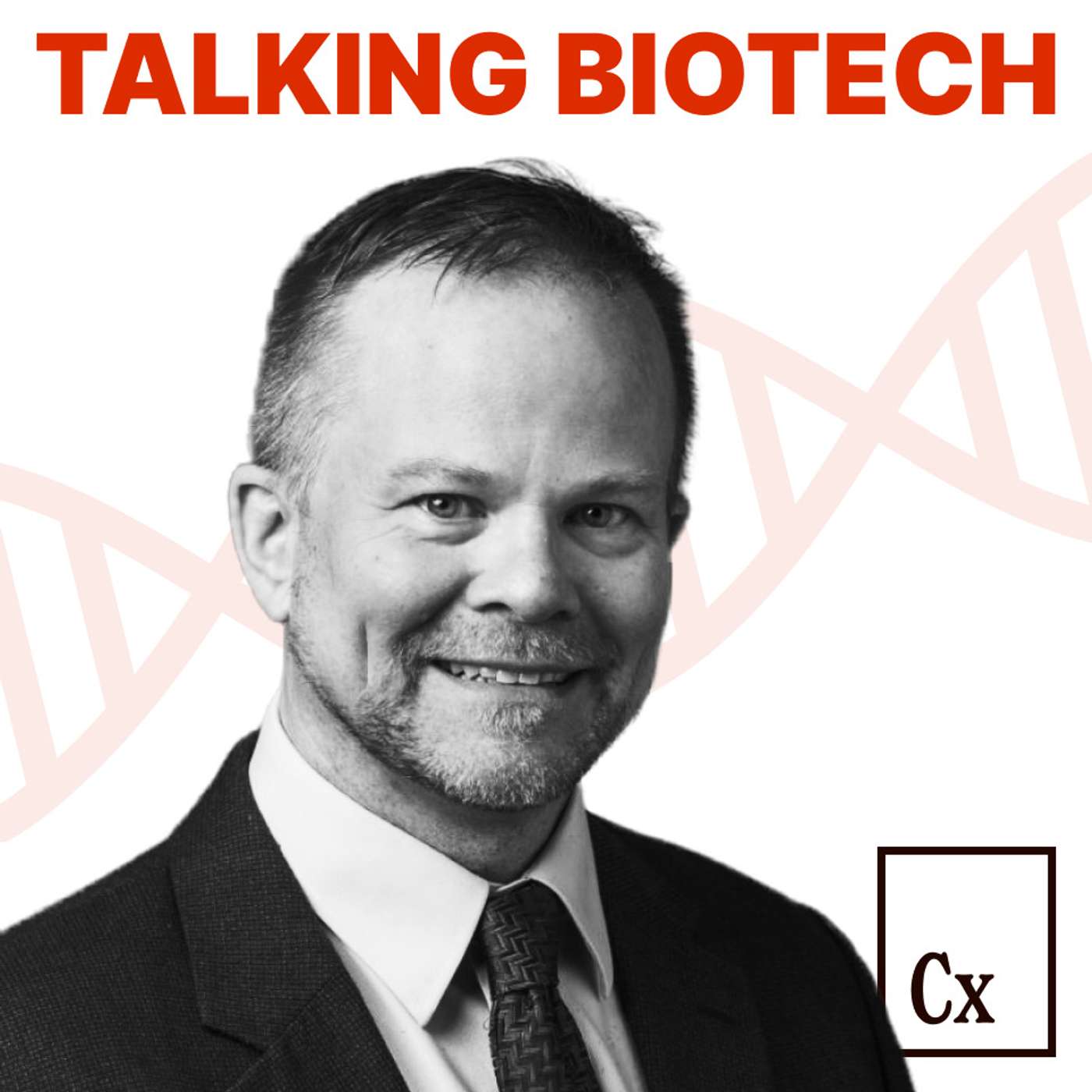
Talking Biotech with Dr. Kevin Folta
Colabra
Talking Biotech is a weekly podcast that uncovers the stories, ideas and research of people at the frontier of biology and engineering.
Each episode explores how science and technology will transform agriculture, protect the environment, and feed 10 billion people by 2050.
Interviews are led by Dr. Kevin Folta, a professor of molecular biology and genomics.
Each episode explores how science and technology will transform agriculture, protect the environment, and feed 10 billion people by 2050.
Interviews are led by Dr. Kevin Folta, a professor of molecular biology and genomics.
Episodes
Mentioned books

Aug 1, 2015 • 1h 10min
Success or Failure? Good Study Called Bad, Bad Study Called Gold.
This week’s podcast is an important analysis of two published reports. First, the results from the famous Rothamstead wheat trial show that their transgene does not confer resistance to aphids, inconsistent with their laboratory findings. While this outcome was considered to be a successful, reliable answer, it was billed as an abject failure on anti-biotech activist websites. Today we revisit the issues of publication and peer-review, and the story of the threats of vandalism against the experiment. We then will speak with Prof. John Pickett from Rothamstead Research Institute. We’ll discuss the lab work the trials, and future directions.The second part of the podcast discusses the recent publication from Adyydurai et al that claims transgenic soy produces abnormal amounts of formaldehyde, relative to non-transgenic controls. The conclusion comes from a computational approach that was never experimentally validated. Since, I have extended an offer to test their hypothesis, yet they have not accepted the opportunity to examine if their prediction is in fact correct. Meanwhile, they are using this paper as a warning about transgenic crops.# COLABRATalking Biotech is brought to you by Colabra – an R&D platform that brings your lab’s world-changing research together in one shared space. Learn more at https://www.colabra.app/# TALKING BIOTECHTwitter: https://twitter.com/talkingbiotechWebsite: https://www.colabra.app/podcasts/talking-biotech/Instagram: https://www.instagram.com/colabrahqThe Talking Biotech podcast is distinct from Dr. Kevin Folta's teaching and research roles at the University of Florida. The views expressed on the show are those of Dr. Folta and his guests, and do not reflect the opinions of the university or Colabra.
Jul 25, 2015 • 1h
Saving the American Chestnut; Lettuce History and Modern Improvement
This Talking Biotech Podcast features Dr. William Powell from SUNY, where he is co-Director of the American Chestnut Research and Restoration Project. The American Chestnut was a dominant forest tree in Appalachia until the late 1800’s when it was destroyed by disease. Dr. Powell’s project has used a transgenic approach to confer resistance to the disease, with the goal of repatriating the forest with this dominant tree species. Dr. Richard Michelmore from UC-Davis talks about lettuce history, genetics, genomics and breeding, with surprising information about lettuce that will make you never look at a head of lettuce the same way again.# COLABRATalking Biotech is brought to you by Colabra – an R&D platform that brings your lab’s world-changing research together in one shared space. Learn more at https://www.colabra.app/# TALKING BIOTECHTwitter: https://twitter.com/talkingbiotechWebsite: https://www.colabra.app/podcasts/talking-biotech/Instagram: https://www.instagram.com/colabrahqThe Talking Biotech podcast is distinct from Dr. Kevin Folta's teaching and research roles at the University of Florida. The views expressed on the show are those of Dr. Folta and his guests, and do not reflect the opinions of the university or Colabra.
Jul 21, 2015 • 47min
Don’t Let Dr. Oz Tell YOUR Story– Teaching the Public about Farming
Ag professionals know their businesses and on-farm practices better than anyone. However, they don’t tend to share their story in public space, allowing others (including unscrupulous hucksters and activists) to warp their reality.How do we get the real experts excited about communicating about new technology, and how it is used on the farm? New innovations in crops and animals stand to improve productivity and quality of farm products, with benefits to farmers, the consumer and the environment.This is the topic of Dr. Kevin Folta’s presentation to the Florida Farm Bureau’s Young Farmers and Ranchers Leadership Symposium in Naples, FL, July 18, 2015. An accompanying slide show is available at www.slideshare.net/kevinfolta . Please use it to talk to others, especially family, concerned friends, and people that need to understand the value of biotech innovations.Innovation goes to application with communication.# COLABRATalking Biotech is brought to you by Colabra – an R&D platform that brings your lab’s world-changing research together in one shared space. Learn more at https://www.colabra.app/# TALKING BIOTECHTwitter: https://twitter.com/talkingbiotechWebsite: https://www.colabra.app/podcasts/talking-biotech/Instagram: https://www.instagram.com/colabrahqThe Talking Biotech podcast is distinct from Dr. Kevin Folta's teaching and research roles at the University of Florida. The views expressed on the show are those of Dr. Folta and his guests, and do not reflect the opinions of the university or Colabra.
Jul 17, 2015 • 1h 23min
Sustainable Salmon; All ‘Bout Bananas
Salmon is an outstanding food for protein, and undeniably great table fare. The AquaBounty company has produced the AquaAdvantage salmon, a fish that grows to production size in less time. This means the same amount of healthy fish using less food, labor, water, and other limited resources. Dave Conley speaks about the salmon, how the trait works, it’s deregulation, and addresses questions about safety and containment. The second part of the podcast visits with Professor Pat Heslop-Harrison, where we discuss banana origins, applications and the challenges to modern cultivation– with an eye on how breeders and biotechnologists might impact the future of this important fruit. Special Guest Host, Ms. Val Swenson.# COLABRATalking Biotech is brought to you by Colabra – an R&D platform that brings your lab’s world-changing research together in one shared space. Learn more at https://www.colabra.app/# TALKING BIOTECHTwitter: https://twitter.com/talkingbiotechWebsite: https://www.colabra.app/podcasts/talking-biotech/Instagram: https://www.instagram.com/colabrahqThe Talking Biotech podcast is distinct from Dr. Kevin Folta's teaching and research roles at the University of Florida. The views expressed on the show are those of Dr. Folta and his guests, and do not reflect the opinions of the university or Colabra.
Jul 11, 2015 • 1h 6min
Stopping Avian Flu Spread; Potato Origins
This episode of Talking Biotech features stories of genetically engineered chickens that do not spread the avian influenza virus. This year over 45 million birds have died or have been euthanized because of illness from the avian flu. Prof. Helen Sang of the Roslin Institute in Edinburgh, Scotland is part of the research team that engineered chickens using a clever strategy– they can catch the virus and become ill, but they do not transmit it. She discusses the technology and its hurdles to commercialization. In the second segment Dr. David Spooner from the USDA ARS and University of Wisconsin talks about the origins of potatoes, the evidence of his path to domestication, and aspects about the future of potato biotechnology. Special guest co-host Amira- Executive Chef.Download / Subscribe on iTunes Download / Subscribe from Stitcher Download / Subscribe from Player FM# COLABRATalking Biotech is brought to you by Colabra – an R&D platform that brings your lab’s world-changing research together in one shared space. Learn more at https://www.colabra.app/# TALKING BIOTECHTwitter: https://twitter.com/talkingbiotechWebsite: https://www.colabra.app/podcasts/talking-biotech/Instagram: https://www.instagram.com/colabrahqThe Talking Biotech podcast is distinct from Dr. Kevin Folta's teaching and research roles at the University of Florida. The views expressed on the show are those of Dr. Folta and his guests, and do not reflect the opinions of the university or Colabra.

