
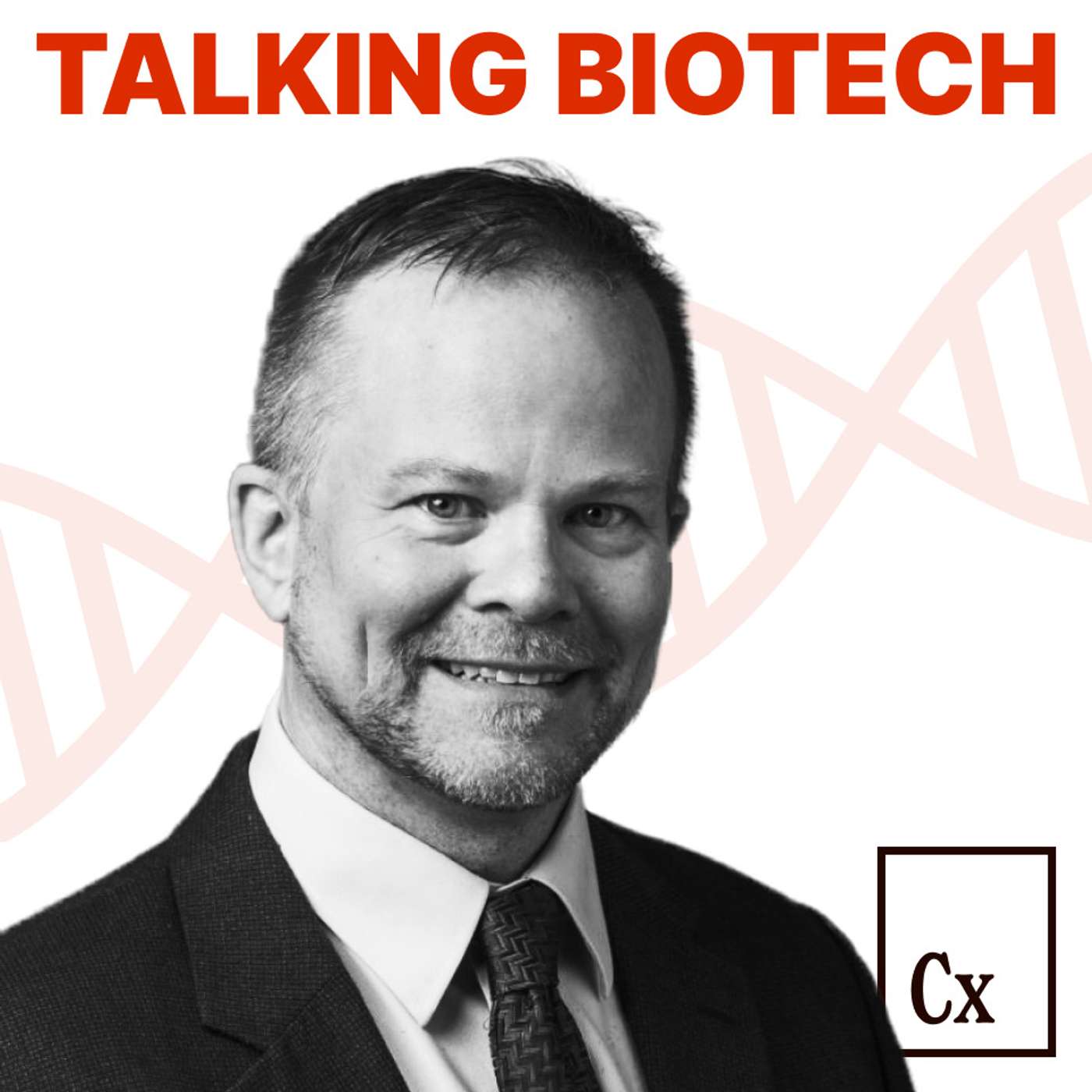
Talking Biotech with Dr. Kevin Folta
Colabra
Talking Biotech is a weekly podcast that uncovers the stories, ideas and research of people at the frontier of biology and engineering.
Each episode explores how science and technology will transform agriculture, protect the environment, and feed 10 billion people by 2050.
Interviews are led by Dr. Kevin Folta, a professor of molecular biology and genomics.
Each episode explores how science and technology will transform agriculture, protect the environment, and feed 10 billion people by 2050.
Interviews are led by Dr. Kevin Folta, a professor of molecular biology and genomics.
Episodes
Mentioned books

Jan 14, 2023 • 56min
The Risks of Manufactured Viruses - Dr. Kevin Esvelt
What are the risks associated with being able to create custom DNA? Today's podcast discusses the potential weaponization of synthesized nucleic acid sequences. Dr. Kevin Esvelt discusses synthetic DNA and synthetic viruses, along with the possibility that they may drive the next pandemics or become the basis for future biological weapons. The dark realities are discussed, along with surveillance and mitigation strategies, as well as the broken social trust that could fuel a human-made pandemic.
Jan 7, 2023 • 39min
Biotech Fetal Diagnostics - Daniel Weisman
If a genetic disorder can be detected in the developing fetus, it provides families and physicians vital information that can guide important decisions. From family planning to medical intervention, new molecular techniques are being employed to detect potential anomalies as early as 10 weeks after conception. The modern genetic counselor is an expert at communicating the results of these tests, building trust to advise decisions that benefit the parents and the child.
Dec 31, 2022 • 34min
Brexit May Bring Gene Editing to the UK- Cameron English
While there are many views on Brexit, one certain benefit is the UK's self-governing role in scientific regulatory affairs. The EU's position on genetic engineering has perplexed its scientists, as they create solutions for EU farmers that may never be implemented. Now out from the EU's onerous non-scientific regulatory oversight, the UK may choose to deregulate gene editing. Cameron English talks about the proposed regulatory changes and how they may benefit the UK's farmers and scientists. You can read his report here: https://iea.org.uk/publications/harvest-time-why-the-uk-should-unleash-the-power-of-gene-editing/
Dec 24, 2022 • 35min
Releasing the Biotech Blight Resistant Chestnut - Erik Carlson
The American chestnut was a dominant tree in many forests in the eastern United States. In the late 1800's an imported fungus spread rapidly throughout the range, destroying most of the trees in a matter of decades. Scientists at the State University of New York have engineered trees to host a gene from wheat that disarms the fungal invader, breaking the production of an acid required for infection. This strategy allows the tree and the fungus to live together without infection. Erik Carlson discusses the problem, the project, the push back and the current deregulation efforts to release the tree in the interest of repatriating its native range. Read the release docket and provide your comments here -- https://www.regulations.gov/document/APHIS-2020-0030-8291/comment
Dec 17, 2022 • 35min
New Cancer Drugs: Breaking the Cell Cycle -- Spiro Rombotis
The "cell cycle" describes discrete steps in the process of cell division. The progression is mediated by a series of gatekeeping biochemical activities that ensure complete replication of DNA, and surveil it for fidelity. Precise execution of cell cycle is necessary for normal growth and development. At the same time, loss of cell cycle coordination can lead to aberrant cell proliferation that can become genetically unstable, a condition recognized as cancer. Many drugs target the enzymes that control cell cycle progression, and several appear to be attractive candidates for future therapeutics. Spiro Rombotis of Cyclacel Pharmaceuticals describes targeting the cell cycle, along with new drugs that show promise in slowing, arresting, or possibly reversing some challenging subtypes of cancers.
Dec 10, 2022 • 52min
Bioengineering Yeast for Better Beer - Dr. Charles Denby
Beer is a beverage derived from the fermentation of grain by yeast. Hops impart their specific flavor and aroma notes. Together these ingredients produce a vast array of flavors and aromas that have become extremely popular in modern beer circles. Like any industrial workhorse organism, brewing yeast is significantly different from its wild antecedents. It has been bred to perform in fermentation, while creating metabolites that touch the senses of the consumer. Berkeley Yeast is taking the genetic improvement of yeast one step farther. Using modern biotechnology, their yeast strains are designed to create novel flavor and exciting aromas. Their efforts define a faster way to control the chemistry of fermentation, producing better products for consumers.
Dec 3, 2022 • 18min
Genes Controlling Plant Size
Bigger plants are better, right? Not always. Control of plant or tree size can have many advantages, and genetic control of 'dwarf' phenotypes has been important in feeding a billion people. The problem is that the changes induced by dwarfing genes can have a negative effect on other aspects of plant biology, so identifying new genes to control size is an important goal. Dr. Philippa Borrill is a group leader at the John Innes Center, and she recently discovered a gene that contributes to size control in wheat. The discovery establishes a new means to possibly develop more productive crop varieties.
Nov 26, 2022 • 1h 4min
As Gods: A Moral History of the Genetic Age - Matthew Cobb
The modern era of genetic engineering has opened tremendous opportunities in medicine and agriculture. But who governs when the technology should be applied? Similar questions were asked in the 1970s at the dawn of recombinant DNA technology. In his new book As Gods - A Moral History of the Genetic Age, Prof. Matthew Cobb discusses these watershed moments in molecular biology, and discusses his views on the newest applications in gene drives, human germline gene editing, and gain-of-function research. Purchase at Amazon
Nov 19, 2022 • 39min
The Genomes of Parasites - Dr. Jessie Kissinger
Parasites are known contributors to human disease and suffering, spanning a wide range of organisms. Dr. Jessie Kissinger from the University of Georgia has spent the last two decades curating genomic data from hundreds of parasites, their vectors and hosts. The information helps researchers generate hypotheses about parasites, and presents a fertile resources for comparing genomes and understanding similarities and differences across this diverse set of organisms. VEuPathDB.org (Vector and Eukaryotic Pathogens Resource Center)ClinEpiDB.org (Clinical and Epidemiological resource with DIY analyses and many BGMF studies) @jcklab (Dr. Kissinger twitter)mango.ctegd.uga.edu (lab website)
Nov 12, 2022 • 35min
Cancer Misinformation - Dr. Skyler Johnson
"Cancer" is the generic term applying to any one of many cellular proliferative disorders that threaten normal physiology. Various cancers have specific etiologies and require expertise in detection and treatment. New therapies are as innovative as they are promising, and a once dreaded prognosis now may have increased opportunity for cure, with better therapies on the horizon. But as it goes, with innovation comes resistance, and false information about cancer and its treatment flourish on social media. Today's guest is Dr. Skyler Johnson from the University of Utah Huntsman Cancer Institute. He describes his work as a radiation oncologist and how misinformation permeates online discussion of cancer, oftentimes with tragic outcomes.

