

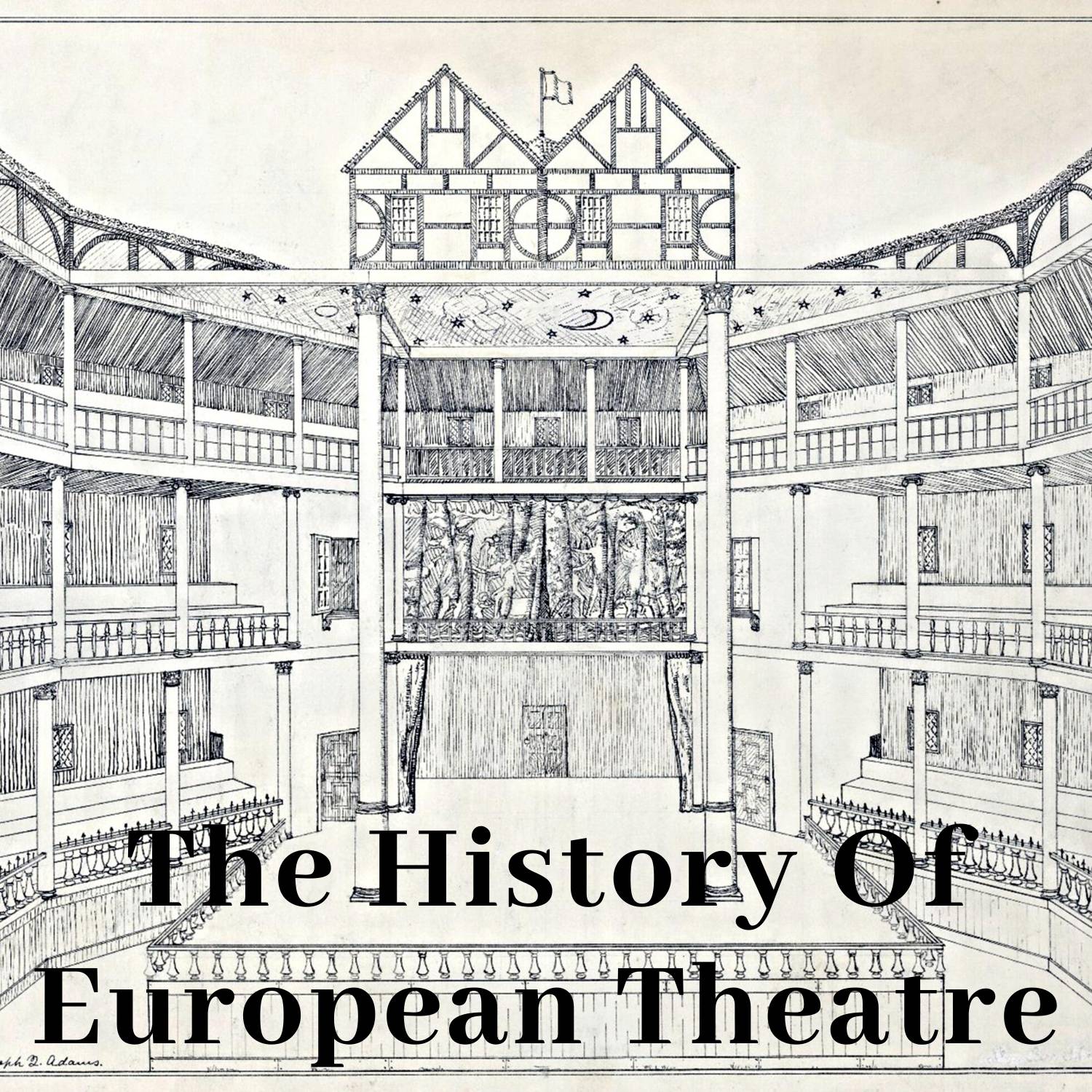
The History Of European Theatre
Philip Rowe
A podcast tracing the development of theatre from ancient Greece to the present day through the places and people who made theatre happen. More than just dates and lists of plays we'll learn about the social. political and historical context that fostered the creation of dramatic art.This podcast uses the following third-party services for analysis: Chartable - https://chartable.com/privacy Hosted on Acast. See acast.com/privacy for more information.
Episodes
Mentioned books

Sep 13, 2021 • 29min
For the Money: The Medieval Commercial Theatre
Episode 61Once the medieval theatre had moved out of the confines of the church and away from religious obligation a form of commercial theatre began, but how was money spent and income generated and was it profitable?The rise of commercial theatre through the Interlude and the Travelling PlayersPlay expenses and incomeThe rising costs of the Cycle Plays and other entertainmentsThe actors contractThe production of 'Mystery Des Trois Doms' and what it tells us about collaborationThe relationship between the concerns of the Church, the State, and the GuildsThe player in the service of a Lord.To support the Podcast:www.patreon.com/thoetpwww.ko-fi.com/thoetpwww.thehistoryofeuropeantheatre.comThis podcast uses the following third-party services for analysis: Chartable - https://chartable.com/privacy Hosted on Acast. See acast.com/privacy for more information.
Sep 6, 2021 • 30min
Just For Fun: Medieval Secular Theatre
Episode 60Religious theatre dominated the Medieval period, but there are some examples of works written just for fun and entertainment.How celebrations like The Feast of Fools, The Boy Bishop and The Feast of Asses developed into secular theatre.The rise and influence of the travelling players and the church reaction to some of their work.The French travelling players Rutebeuf and Adam De La Hale.French Medieval comedyThe establishment of performers guilds and the role of the player in service of a king or lord.A rare example of political satire in Medieval France.The Interlude and the work of Henry Medwell and John HaywardTo support the podcast:www.thehistoryofeuropeantheatre.comwww.patreon.com/thoeptwww.ko-fi.com/thoetpThis podcast uses the following third-party services for analysis: Chartable - https://chartable.com/privacy Hosted on Acast. See acast.com/privacy for more information.
Aug 30, 2021 • 28min
Everyman: Dutch Morality
Episode 59Everyman is the most well known of all the Morality plays and probably an English adaptation of a Dutch original.Different types of Morality PlaysThe Morality play in Europe and how they differed from the English offeringA synopsys and analysis of EverymanThe Dance Macabre and the role of DeathTo support the podcast:www.thehistorofeuropenatheatre.comwww.patreon.com/thoetpwww.ko-fi.com/thoetpThis podcast uses the following third-party services for analysis: Chartable - https://chartable.com/privacy Hosted on Acast. See acast.com/privacy for more information.
Aug 23, 2021 • 28min
The Castle of Perseverance
Episode 58The Castle of Perseverance is a great example of how difficult it can be to discuss the form of a play separately from the content and in this case we have an illustration that shows how the play might have been presentedA summary of the plot of the playDetails from the manuscript about dating the playThe illustration contained in the manuscript reviewed in detailThe problems with the way the audience might have been positioned and the play presentedThe role of the 'Stytlery'The ditch and how it might have been used.To see the illustration discussed in this episode go to the websitewww.thehistoryofeuropeantheatre.comTo support the podcast go to:www.patreon.com/thoetpwww.ko-fi.com/thoetpThis podcast uses the following third-party services for analysis: Chartable - https://chartable.com/privacy Hosted on Acast. See acast.com/privacy for more information.
Aug 16, 2021 • 28min
Virtues Vs Vices: The Morality Play
Episode 57The Morality play is a type of play that for all its similarities and shared heritage with the Corpus Christi cycle plays brought something new to the world of drama and had a profound effect on the future development of theatre.How the Morality Plays are different from Cycle PlaysThe Development of the ideas around the seven vices and virtues and how they developed into personified charactersThe development of education in the Middle Ages and the influence on monastic preachingThe presentation of Morality plays and the move away from the church feast dayExamples of the different sort of Morality plays that we have mention of in the recordsThe five extant Morality PlaysThe developing commercial nature of theatre including the travelling troupe of players and the booth stageFor more details on Rosslyn Chapel see:https://thehistoryofeuropeantheatre.com/blog/https://www.rosslynchapel.comSupport the podcast at:www.patreon.com/thoetpwww.ko-fi.com/thoetpwww.thehistoryofeuropeantheatre.comThis podcast uses the following third-party services for analysis: Chartable - https://chartable.com/privacy Hosted on Acast. See acast.com/privacy for more information.
Aug 9, 2021 • 28min
Hell Harrowed, the World Flooded
Episode 56The history of the Harrowing of Hell and the way it was portrayed in the cycle plays, including some thoughts on how it would have been staged and how the play comes alive when the demons and devils take to the stage.The play of Noah and the Great Flood must have provided the medieval set designers with some real challenges. Some thoughts on how that might have been done and a look at some of the detail around the story of Mrs Noah, doves, ravens and Rainbows.This podcast uses the following third-party services for analysis: Chartable - https://chartable.com/privacy Hosted on Acast. See acast.com/privacy for more information.
Aug 2, 2021 • 32min
While Shepherds Watched
Episode 55The Second Shepherds play is considered the best of the medieval cycle plays. In this episode I take a look at not only the second shepherds play, but the first play as well, which is often overlooked.Why are there two shepherd's plays in this cycle?The plot and characters in the first playThe plot and charaters in the second playThe similarities and differences between the playsWhat the plays say about the social conditions of the timeThe Wakefield Master, author go the playsSupport the podcast here:www.thehistoryofeuropeantheatre.comwww.patreon.com/thoetpwww.ko-fi.com/thoetpThis podcast uses the following third-party services for analysis: Chartable - https://chartable.com/privacy Hosted on Acast. See acast.com/privacy for more information.
Jul 19, 2021 • 29min
The Home of the Cycle Plays: York, Chester, Coventry and Wakefield
Episode 54In this episode we look at the way the cycle plays developed in the four major centres from where we have complete versions of the cycle: York, Chester, Coventry and Wakefield.The development of the York PlaysFurther details on the guilds and how they functioned in societyThe development of the Chester playsThe development of the Coventry CycleThe development of the Wakefield cycleThe N-Town cycle ManuscriptThe Wakefield cycle playsThe literary merits of the playsFor the list of plays and associated guilds from York see: www.thehistoryofeuropeantheare.com/blogSupport the podcast here:www.thehistoryofeuropeantheatre.comwww.patreon.com/thoetpwww.ko-fi.com/thoetpThis podcast uses the following third-party services for analysis: Chartable - https://chartable.com/privacy Hosted on Acast. See acast.com/privacy for more information.
Jul 12, 2021 • 26min
Medieval Stage Effects
Episode 53Stage sets, costuming and special effects became quite sophisticated in the cycle plays during the sixteenth century. This episode looks at the examples of stage sets that we have from Valenciennes. You can see the drawing that is described in the podcast here:www.thehistoryofeuropeantheatre.com/galleryA look at evidence for costuming the has survivedAnd then we take a look at the the different stager special effects used to impress the audience, especially the representations of Hell's Mouth, with associated demons, fires and pyrotechnics.Support the podcast here:www.thehistoryofeuropeantheatre.comwww.patreon.com/thoetpwww.ko-fi.com/thoetpThis podcast uses the following third-party services for analysis: Chartable - https://chartable.com/privacy Hosted on Acast. See acast.com/privacy for more information.
Jul 5, 2021 • 32min
Medieval Performance and Rehearsal
Episode 52This episode looks at how the Corpus Christi plays were organised and staffed with actors, tradesmen and other organisers and supporters.How rehearsals were organised and what was expected of actors, including details of the contrast they were expected to sign.The different playing spaces that were used for the plays, including three main types, the round, the wagon, and the market place.The role of 'The Ordinary' and other things we know about the way the plays were presented.The rise and fall of the Saints PlayFor the illustration of the martyrdom of St Appolonia see: https://thehistoryofeuropeantheatre.com/gallery/To support the podcast:www.patreon.com/thoetpwww.ko-fi.com/thoetpThis podcast uses the following third-party services for analysis: Chartable - https://chartable.com/privacy Hosted on Acast. See acast.com/privacy for more information.

