LessWrong (30+ Karma)
 “AI’s capability improvements haven’t come from it getting less affordable” by Anders Woodruff
Mar 27, 2026
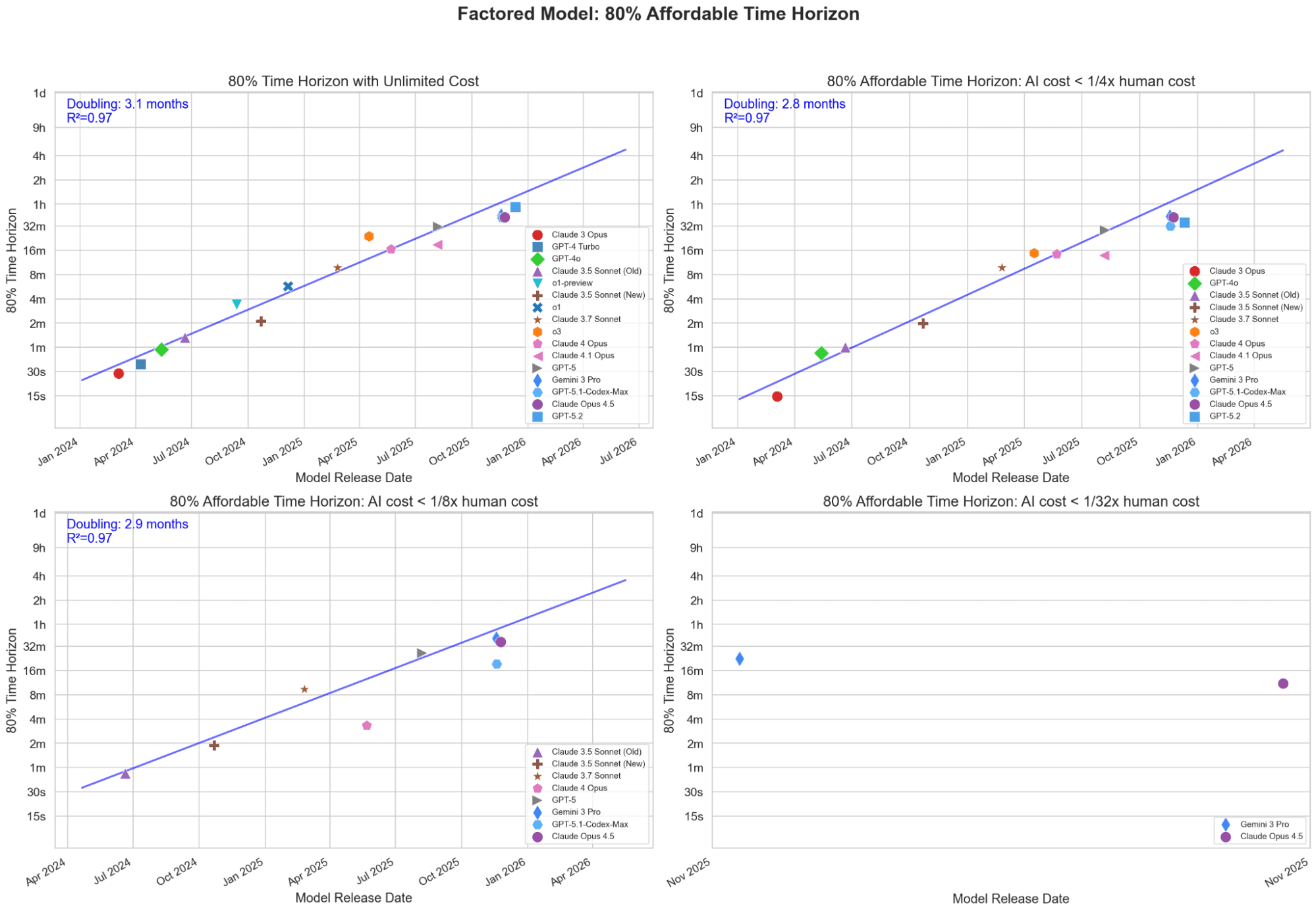
A data-driven look at whether AI progress is becoming less affordable, using METR time-horizon trends and a cost-ratio definition. Clear breakdowns of how frontier models perform at 50% reliability and whether longer tasks drive gains. Discussion of fixed-cost horizons, inference-scaling effects, methodological limits, and why this analysis differs from other cost estimates.
AI Snips
Chapters
Transcript
Episode notes
Rising Inference Costs Reflect Longer Tasks
- Anders Woodruff argues rising inference costs reflect models tackling longer tasks, not becoming more expensive relative to human labor.
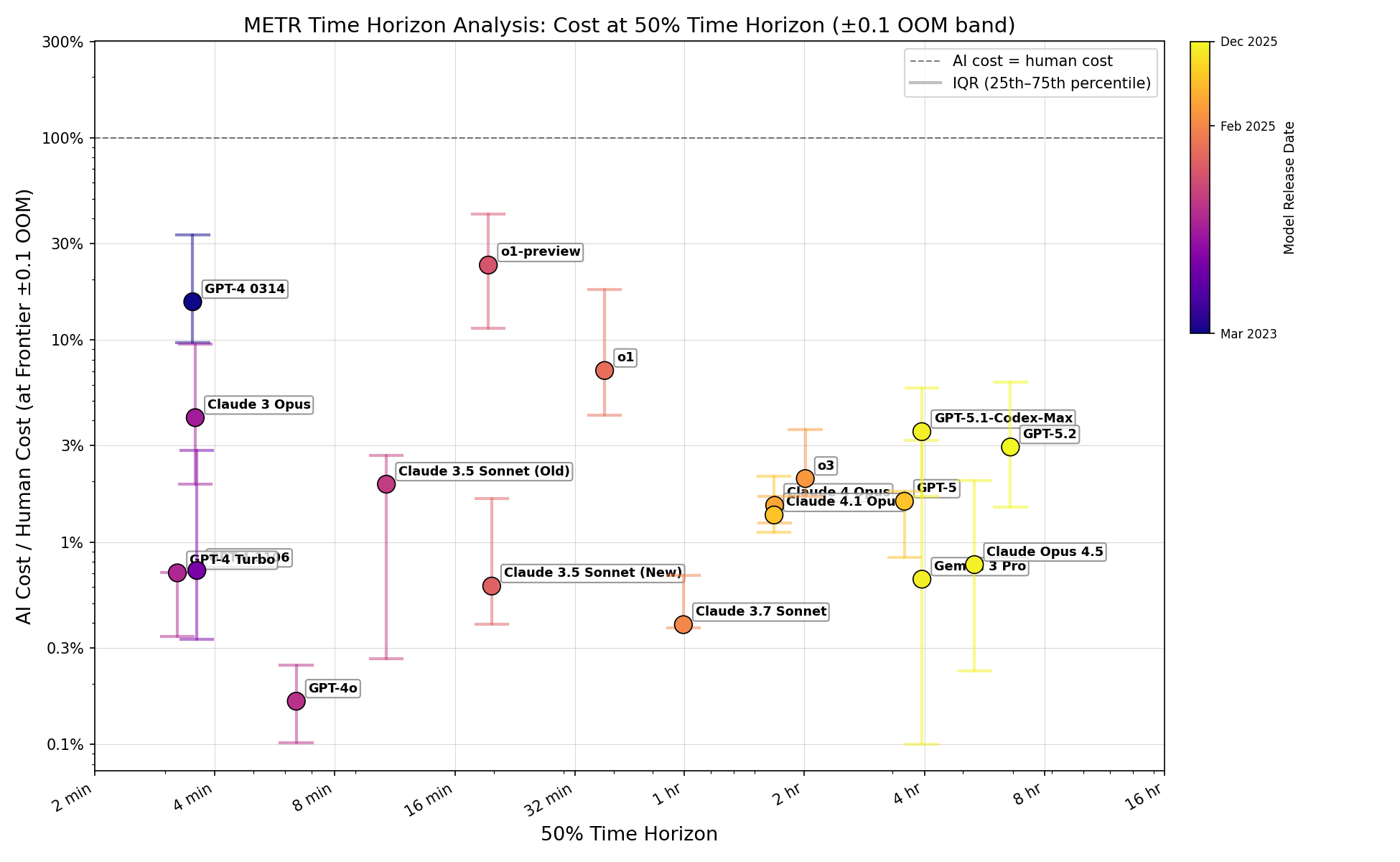
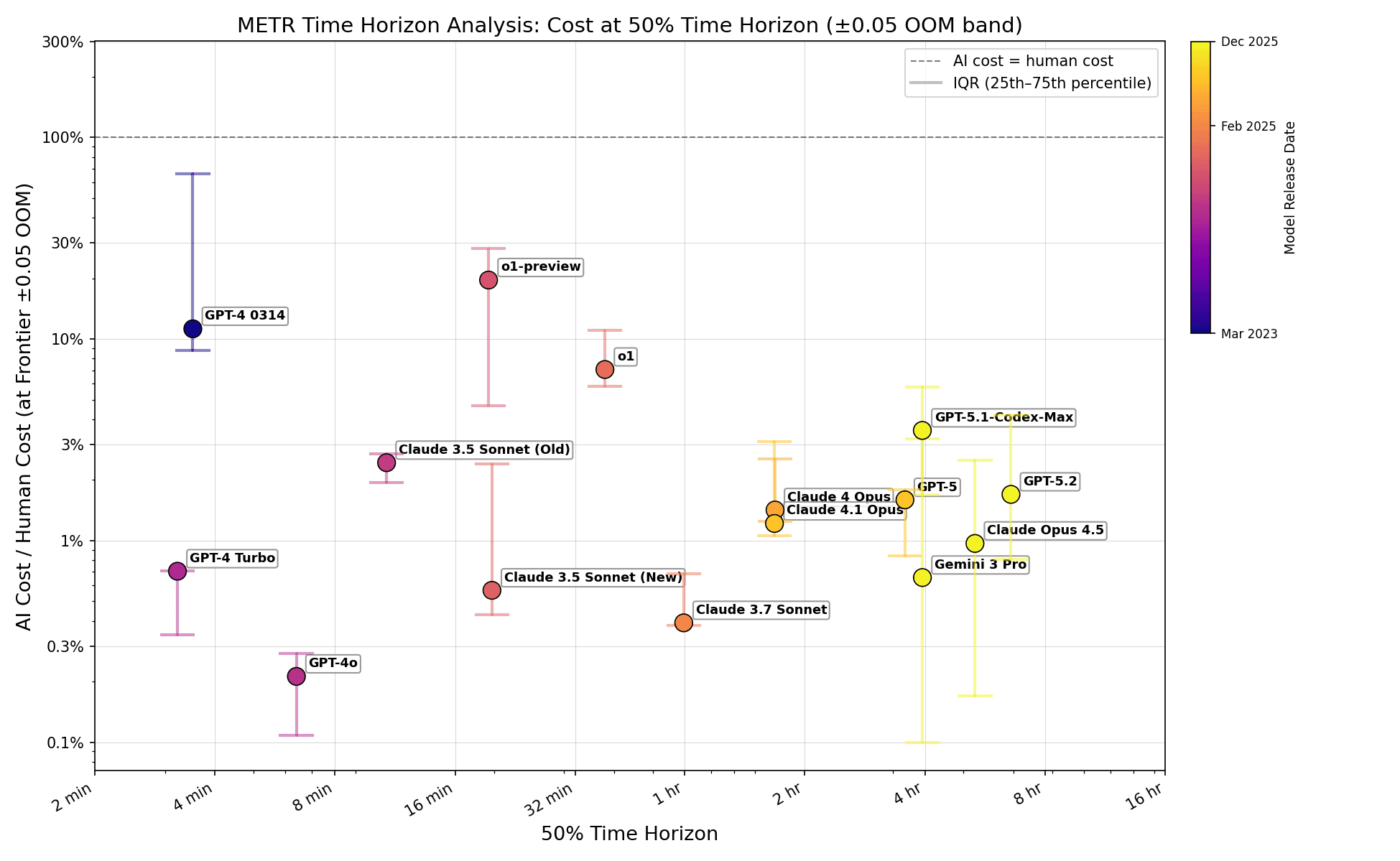
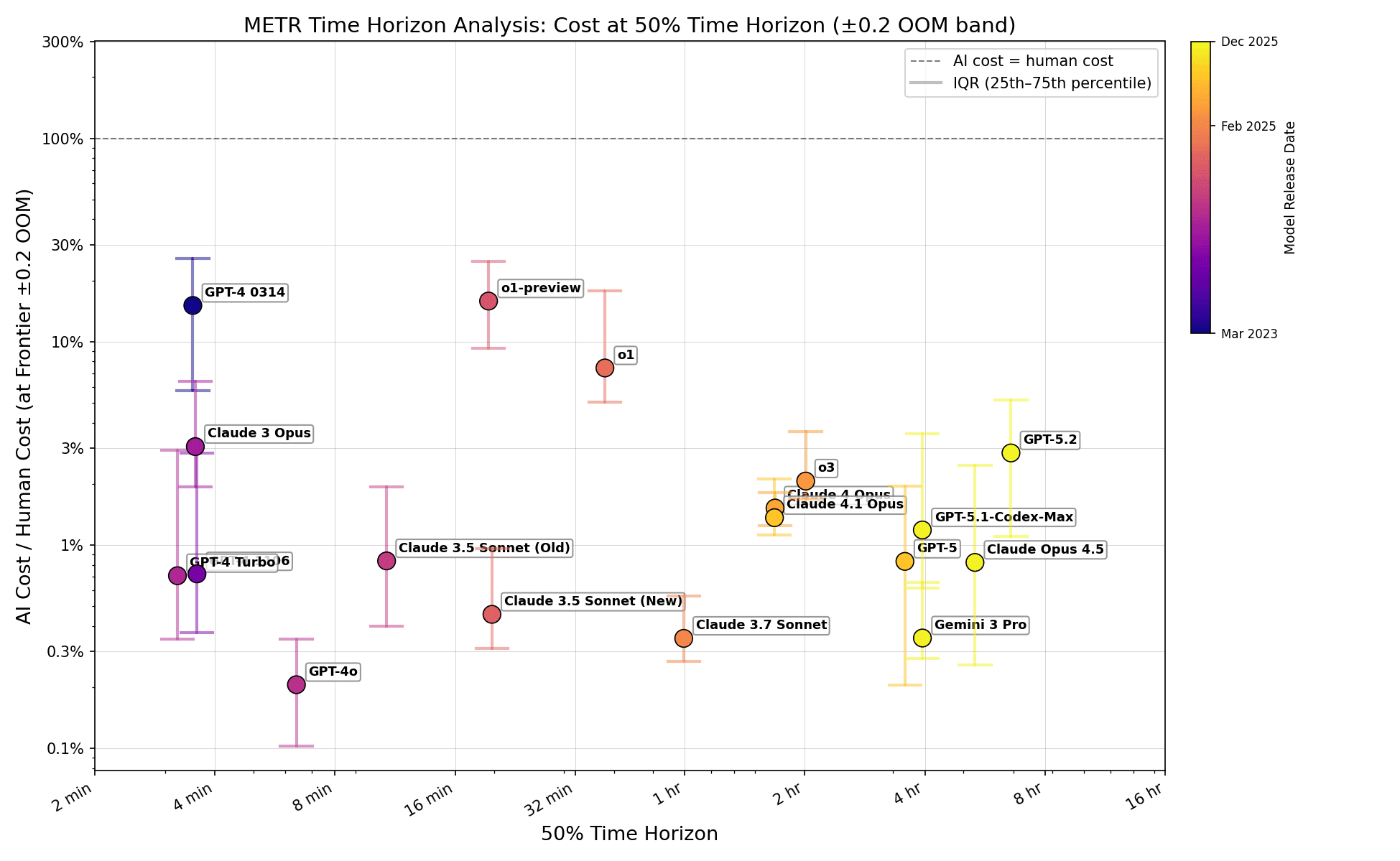
- Meta's frontier models hit 50% reliability horizons at ~3% of human cost, a stable ratio across model generations.
Cost Ratios At 50% Horizon Aren't Increasing
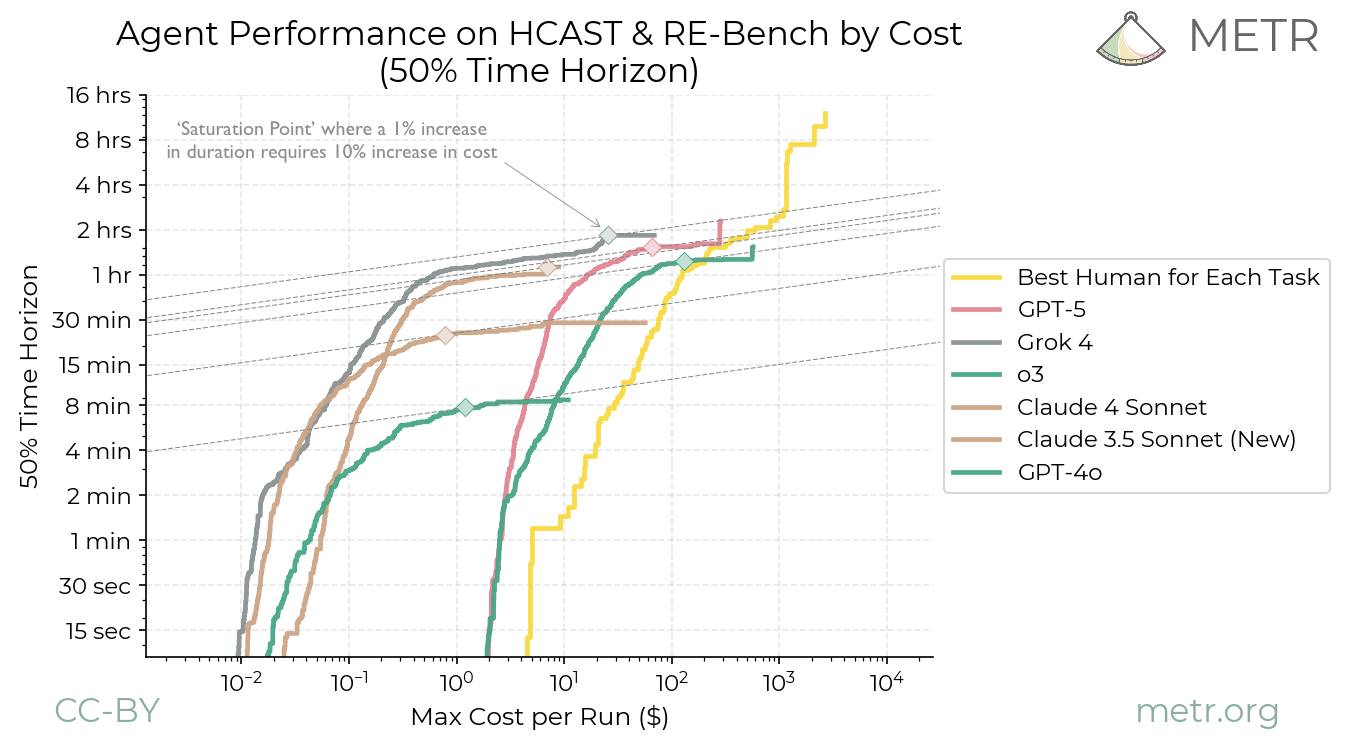
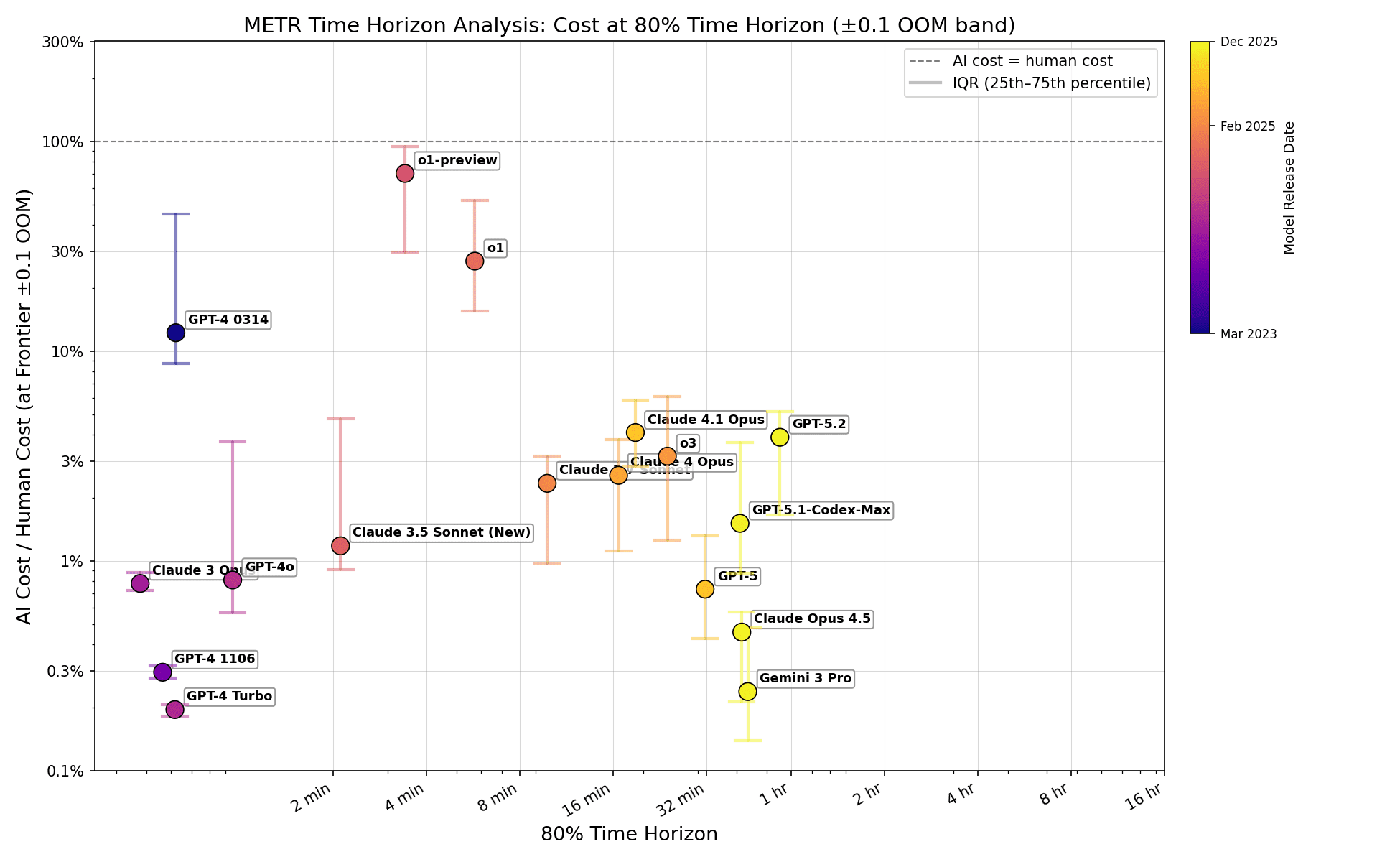
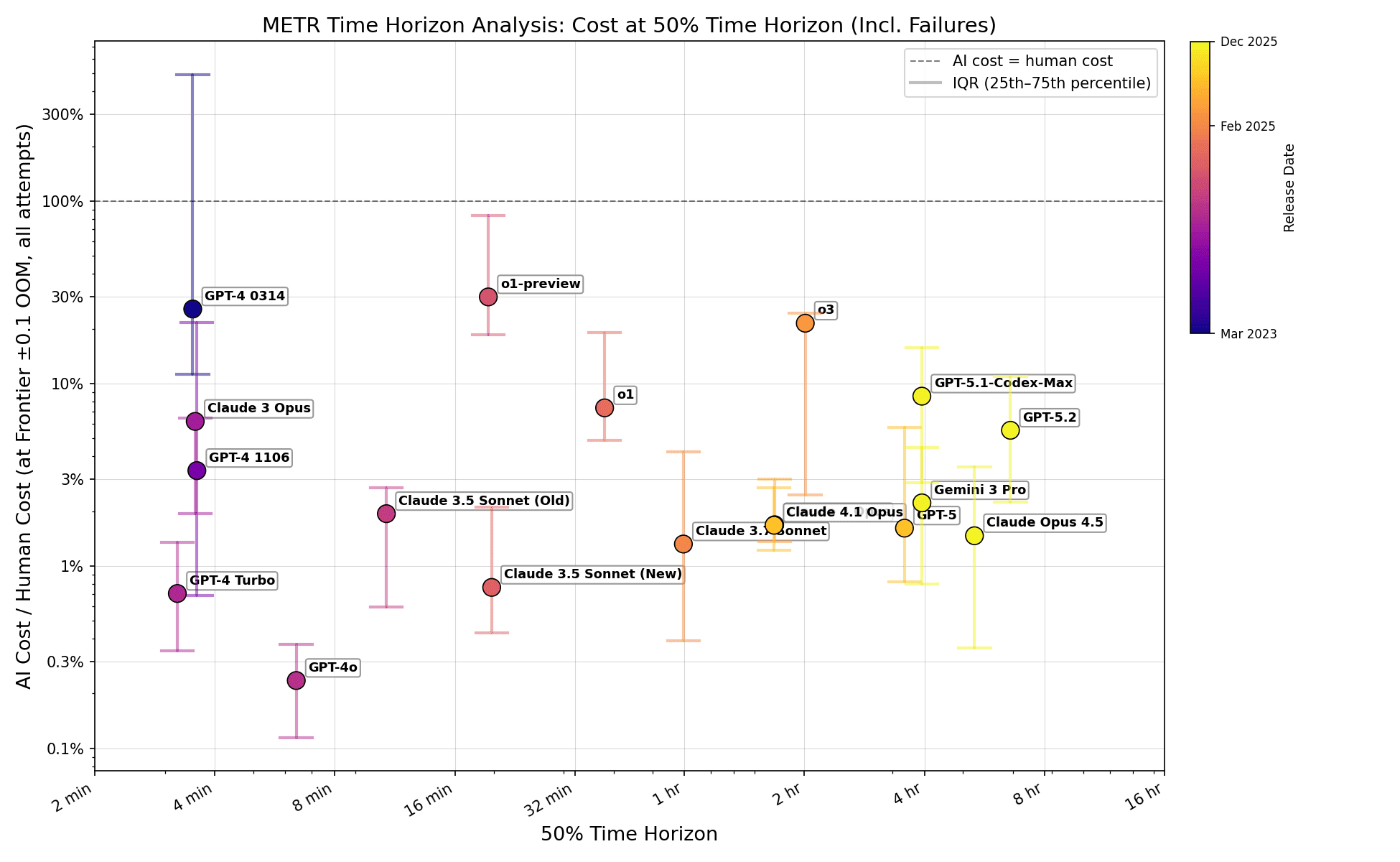
- Woodruff measures cost ratio as per-task AI inference cost divided by human cost and finds no upward trend at each model's 50% time horizon.
- Using Meta's time-horizon data, median cost ratios at those horizons remain well below 1 across successive models.
Successful Long Tasks Aren't Pricier Per Hour
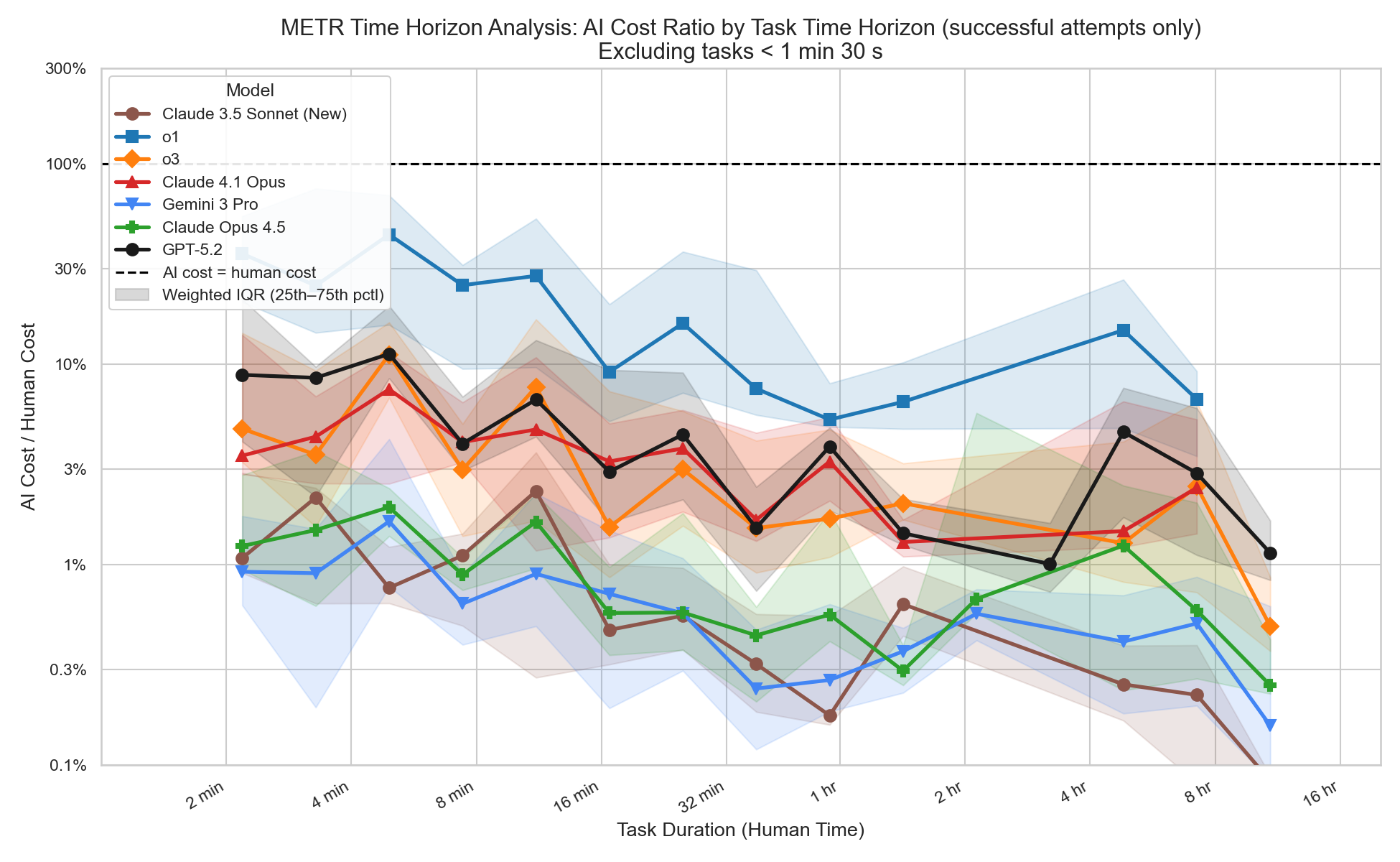
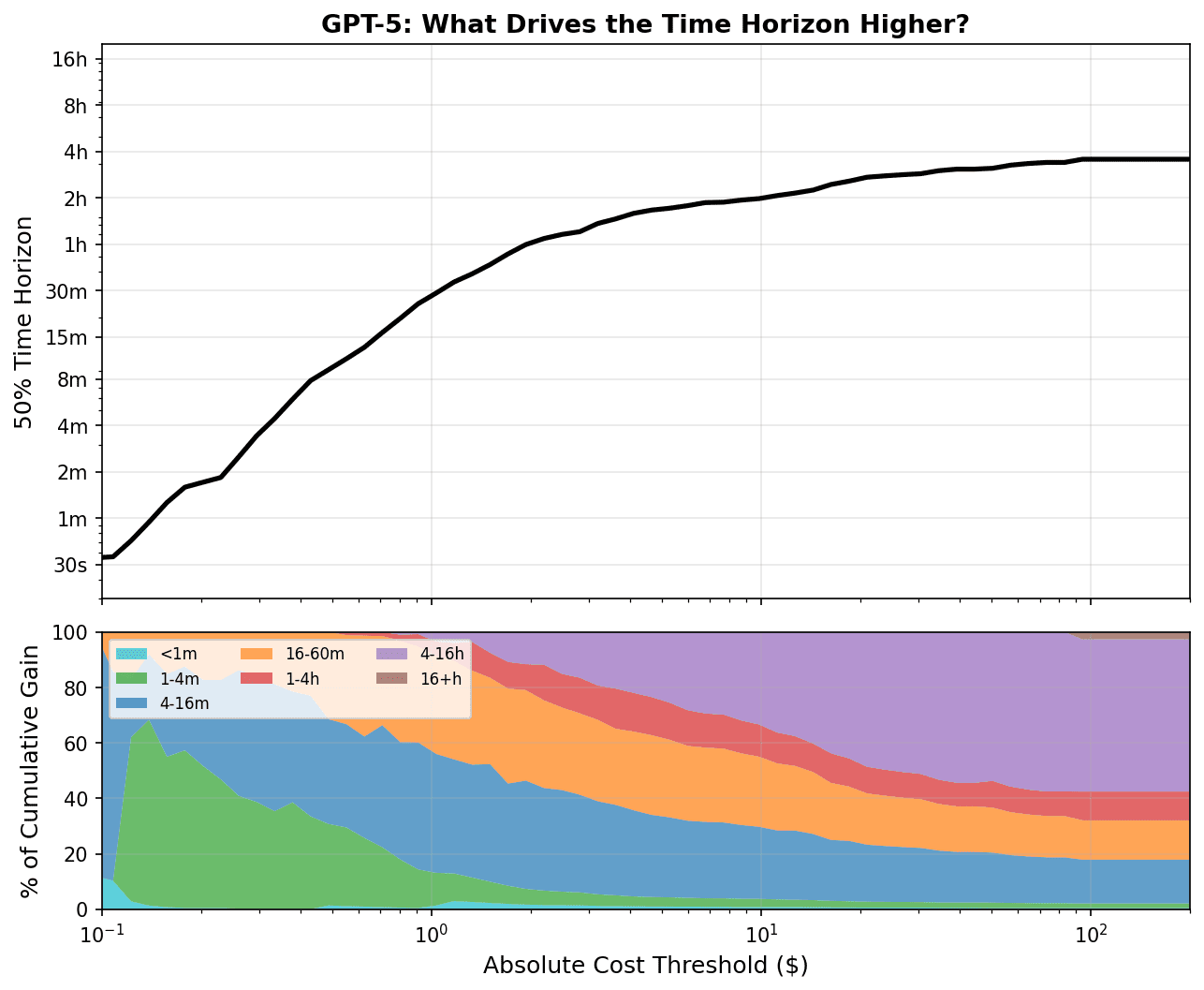
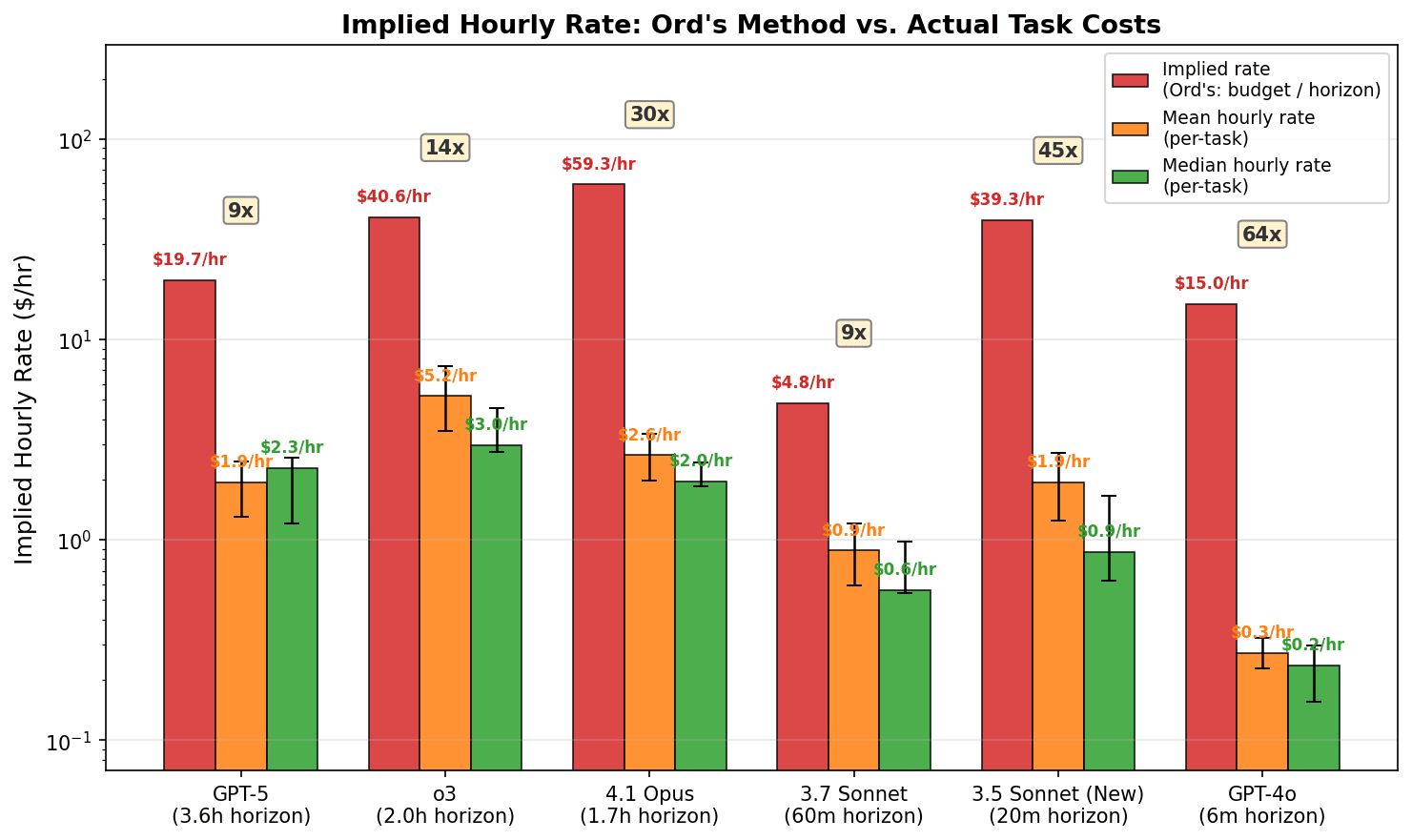
- Among tasks models successfully complete, longer tasks are not systematically more expensive per hour than shorter ones.
- Selection effects exist (models pass fewer long tasks), but successful long tasks tend to be relatively cheap.