For episode 101, we're challenging ourselves to make a technically family friendly, swear free episode! Why is the sky blue? Well it turns out it took a lot of science to understand why! And what is speech disfluency? Well it's like... um... you'll see!
Images we Talk About:
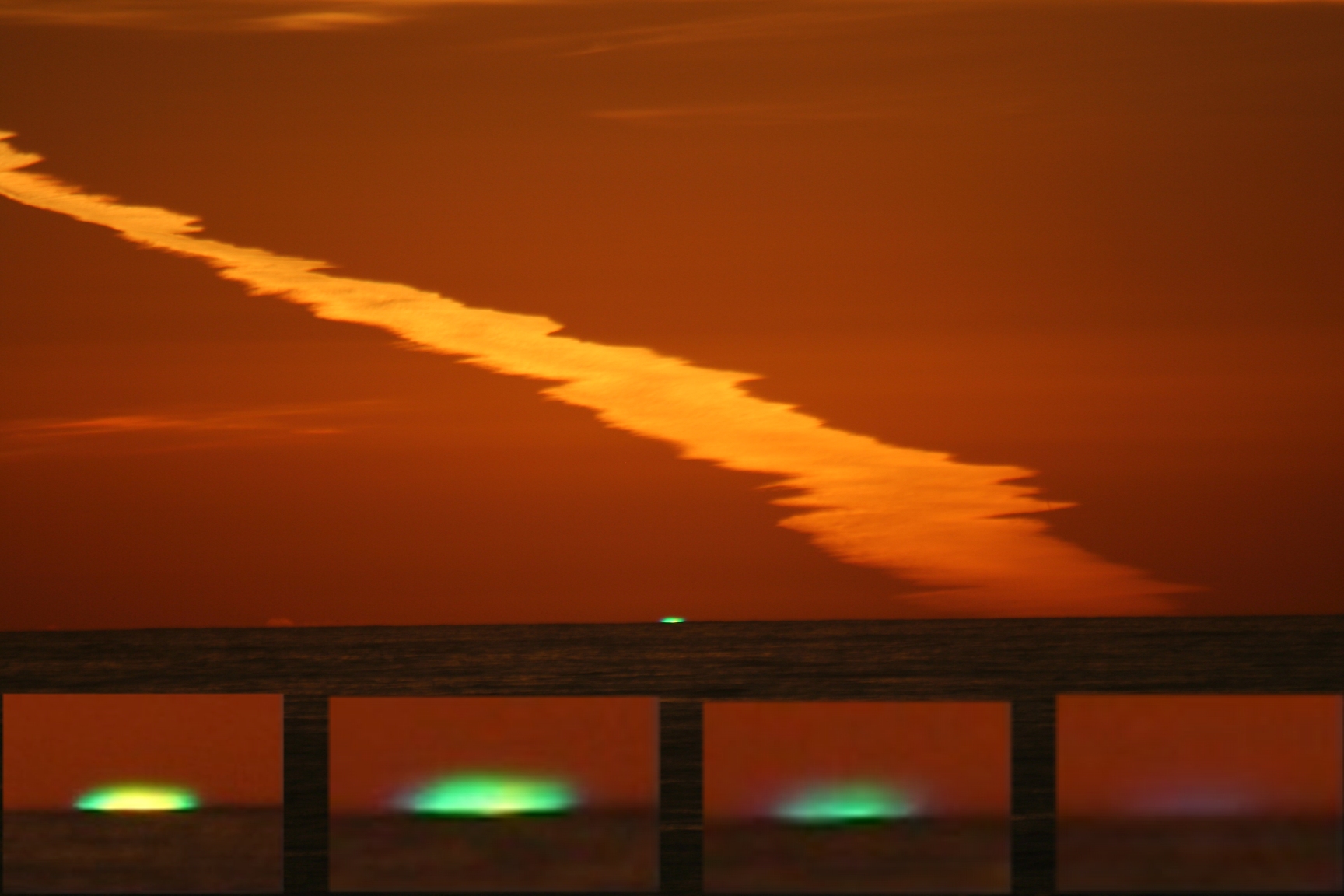
Green Flash
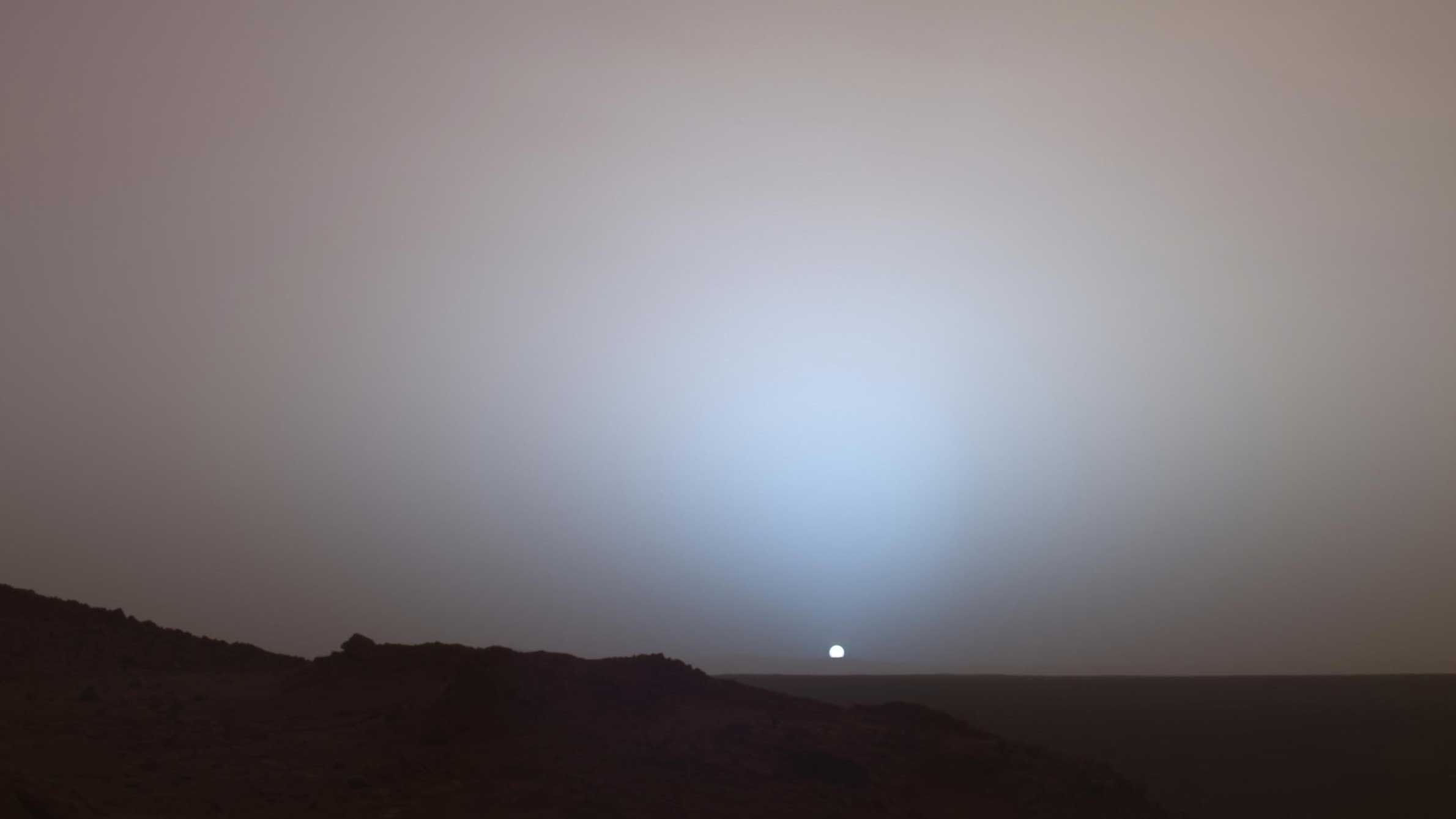
Sunset
Timestamps:
(00:00:00) Intro
(00:06:43) Why is the Sky Blue
(00:54:28) Speech Disfluency
(01:40:45) Outro
Support us with a Max Fun Membership!
Join our Discord!
We also learn about: it’s like playing mozart for children, mystery spires, atmospheric optics is responsible for all the bangers, they didn’t have a word for blue but they could perceive it, davinci and newton were on the right track, and thus the liberal lie of the greenhouse effect was born, Tyndell was just trying to clean an air sample and saw it turn blue, Baron’s used to be useful at least, Tom’s mind gets rocked by Rayleigh scattering, why isn’t the sky purple, When was the sky blue? the great oxidation event, sky is atmosphere, why is the sun so tiny OH ITS FAR AWAY, Ella pulled a Tom at the intro, Ella’s filler montage, no swearing no fillers challenge, there’s no fillers in the speech we watch on TV and movies, we actually um-dope our podcast in post, people used filler words in the past too, it’s found in poems and the earliest recorded sounds, the valley girl like, natural language corpuses, the 2 genders are uh and um, fillers in other languages, parasite words, uh is almost universal, the function of filler, backchanneling, measuring um reaction times, a visit from Gretchen, um is like a swiss army knife, like as quotation marks or hedging, right *slaps knees*, the power of saying something which technically means nothing.
StellarNet: A Brief History of the Sky’s Blueness
Blog: The bizarre myth that Ancient Greeks couldn't see blue
2023 Paper: Revisiting the question “Why is the sky blue?”
Wiki- John Tyndall
The Conversation: John Tyndall: the forgotten co‑founder of climate science
Wiki: Rayleigh Scattering
NASA: The Electromagnetic Spectrum
Scientific American: Mirages
IFL Science: Orange Sky
The Great Oxidation Event: How Cyanobacteria Changed Life
Royal Museums Greenwich: Why Is The Sky Blue
Mars in a Box: Martian Sunsets
---
Wikipedia: Filler (linguistics)
Thought Co: Definitions and Examples of Filler Words
The Register: Why Do We Say Um?
Paper: Listeners' Uses of Um and Uh in Speech Comprehension
New York Times: So, Um, How Do You, Like, Stop Using Filler Words?
University of Colorado Paper: We, um, have, like, a problem
Guardian: Why Do People Say Like So Much?
NPR: Why Do We Say Um So Much?
BBC: Teen Slang
Paper: Fillers, Pauses and Placeholders
Cambridge: Hidden Use of Fillers
The British National Corpus 2014
Language Hat: The Mystery of Fillers
The Atlantic : “Men Say 'Uh' and Women Say 'Um'”
Language Log: Men and Women’s Use of Words
JStor: Filler Words and Floor Holders
THE CALIFORNIA STORY 1906 By Thomas A. Edison


 Let's Learn Everything!