

 The Religious Studies Project
 What We Can Learn from our Founding Fathers
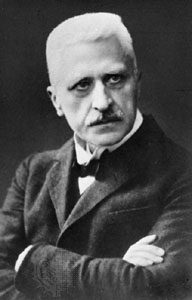
In this discussion, Professor Schmidt discusses her keynote lecture at the Open University’s “Contemporary Religion in Historical Perspectives: Publics and Performances”. We turn back to discuss some of the “founding fathers” of the discipline of Religious Studies: Rudolf Otto, R.R. Marrett, and Andrew Lang. These three founding fathers all proposed a non-rational understanding of religion which is relevant today to our considerations of religion in terms of vernacular or “lived” religion.
In this week’s podcast we don’t actually have a podcast. Instead, we’ve branched out again and decided to finish this “semester” of the RSP with a video interview with the president elect of the BASR Bettina Schmidt.
In this discussion, Professor Schmidt discusses her keynote lecture at the Open University’s “Contemporary Religion in Historical Perspectives: Publics and Performances”. We turn back to discuss some of the “founding fathers” of the discipline of Religious Studies: Rudolf Otto, R.R. Marrett, and Andrew Lang. These three founding fathers all proposed a non-rational understanding of religion which is relevant today to our considerations of religion in terms of vernacular or “lived” religion.
Professor Schmidt explains how this emphasis on the “non-rational”, on the way that religion is danced out rather than thought out, is of relevance to the consideration of her own research field on Trance and Spirit Possession in South America. By looking at scholars who have been shelved in contemporary scholarships we can work towards making what seems visceral or extra-ordinary appear to be as mundane as it is for the people involved.
Apologies in advance for any dips in quality. Bear with as we are now pretty happy with the medium and will improve upon this in future episodes!