LessWrong (Curated & Popular)
 "The Practical Guide to Superbabies" by GeneSmith
Apr 4, 2026
A deep dive into polygenic embryo screening, IVF logistics, and real-world costs. The conversation compares sequencing methods and companies, explains validation and predictor limits, and covers clinic choice and medication savings. It also explores family-history screening, legal availability across countries, and practical steps for starting the process.
AI Snips
Chapters
Transcript
Episode notes
Use Providers That Incorporate Family History
- Get family-history-aware screening if relevant: Herocyte uses family diagnoses to adjust embryo risk estimates and is unique here; Orchid and Genomic Prediction are less comprehensive.
- If you have known familial disease, prioritize providers who incorporate family sequencing.
Universal Carrier Screening Finds Hidden High-Impact Variants
- Expanded carrier screening/universal PGT-M can catch high-impact single-gene variants many clinics miss; Herocyte has a broad panel and has identified pathogenic variants parents didn't know they carried.
- Lack of universal screening likely led to hundreds of thousands of avoidable affected births historically.
Nucleus Has Persistent Predictor Calibration Problems
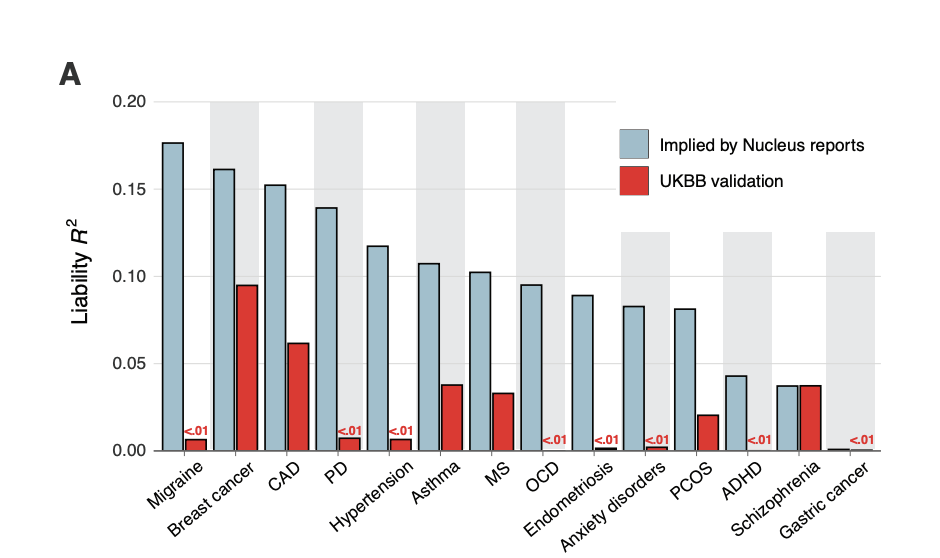
- Nucleus has likely misrepresented predictor accuracy historically; their reports overstate performance versus external validations and they have been slow to roll out corrected predictors.
- Despite funding, the company has not convincingly fixed calibration or transparency issues.