PulmPEEPs
 104. Pulm PEEPs on Core IM – Pleural Effusions
21 snips
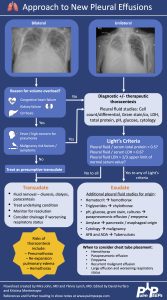
Jul 9, 2025 Chris Kapp, an interventional pulmonologist at Northwestern, shares invaluable insights on managing pleural effusions. He discusses the importance of thoracentesis and pleural fluid analysis, emphasizing accurate diagnosis with the LIGHTS criteria. Kapp clarifies the distinctions between transudative and exudative effusions and explains the role of pleural pH and cell counts in clinical assessment. He also delves into diagnostic challenges like eosinophilic effusions and the significance of adenosine deaminase in identifying tuberculosis pleuritis.
AI Snips
Chapters
Transcript
Episode notes
Beware Diuretic-Induced Pseudo-Exudates
- Diuretic therapy can concentrate pleural fluid and falsely elevate protein and LDH levels.
- Be cautious of pseudo-exudates in patients on diuretics to avoid unnecessary workup.
Use Gradients To Clarify Effusion Type
- Use serum-pleural protein and albumin gradients to help distinguish pseudo-exudates from true exudates.
- Consider pleural fluid NT-proBNP; values above 1500 pg/mL suggest a transudative effusion due to heart failure.
Pleural Cholesterol Indicates Exudate
- Pleural fluid cholesterol is elevated in exudative effusions due to cell degeneration and increased capillary permeability.
- Levels above 45 mg/dL strongly indicate an exudate, adding diagnostic confidence.