


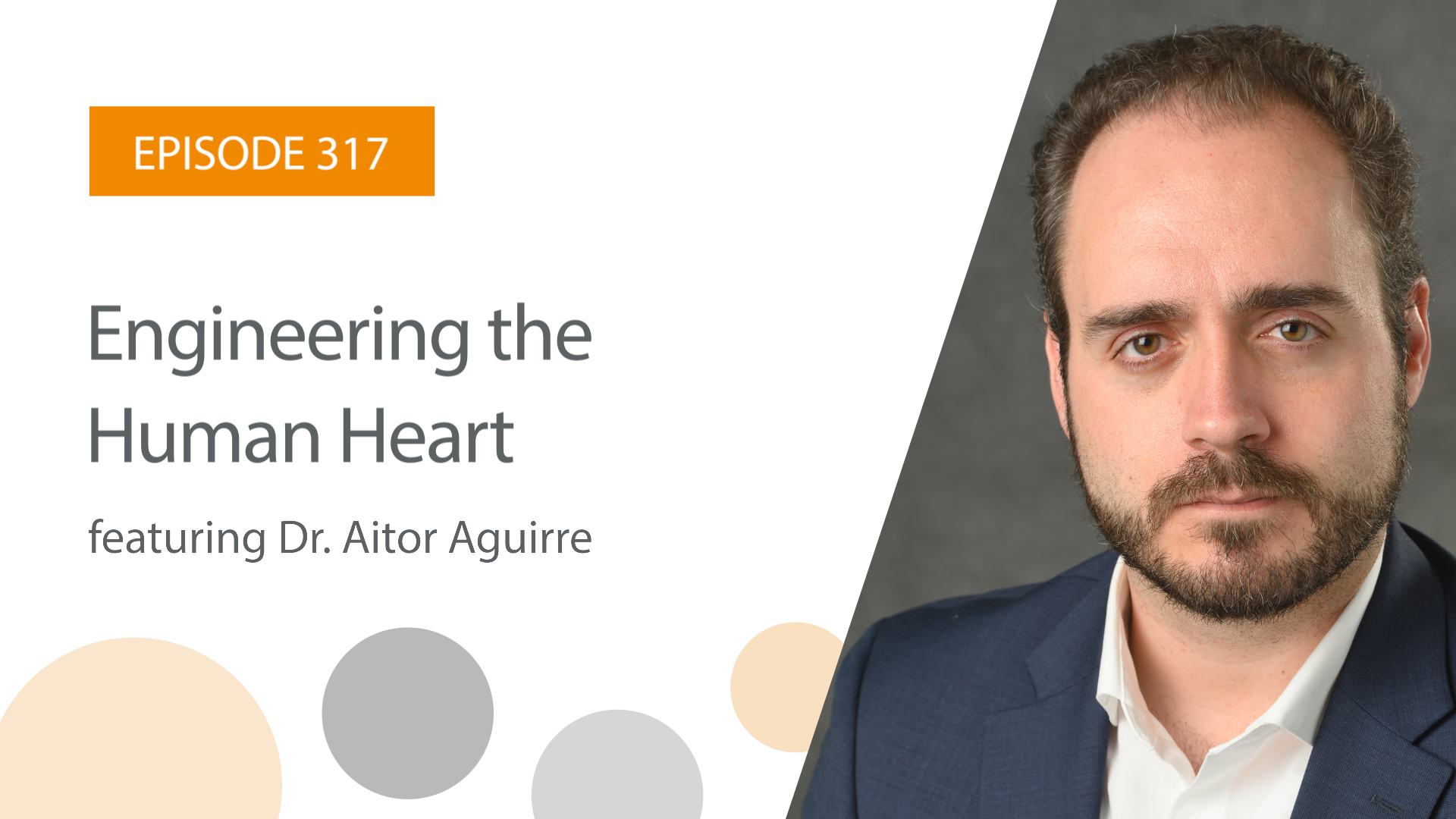
Guest:
Dr. Aitor Aguirre is an Associate Professor at Michigan State University and Director of the Stem Cell Core. In this episode, he discusses how his lab uses pluripotent stem cells and cardiac organoids to model human heart development and disease. He highlights the role of self-organization and bioengineering in building complex heart models, including assembloids with immune and neural components, and their applications in studying conditions like atrial fibrillation. He also shares perspectives on open science, collaboration, and training the next generation of scientists.
Featured Products and Resources:
- Get a free wallchart on the directed differentiation of hPSCs.
- Explore STEMCELL Technologies’ collection of technical videos and webinars on neurological disease modeling.
The Stem Cell Science Round Up
Modeling West Nile Encephalitis – Human cerebral organoids effectively model West Nile virus encephalitis and its associated neuronal damage and inflammation.
New Therapy for Leigh Syndrome – Researchers identified sildenafil as a potential treatment for Leigh syndrome.
Epigenetic Landscapes of Breast Cancer – Patient-derived organoids reveal epigenetic subtypes of breast cancer, including a metastasis-specific group.
Unexpected Totipotency in Hofstenia – Hofstenia embryos retain surprising totipotency and plasticity despite early fate-specifying cleavage.
Photo Reference: Courtesy of Dr. Aitor Aguirre