
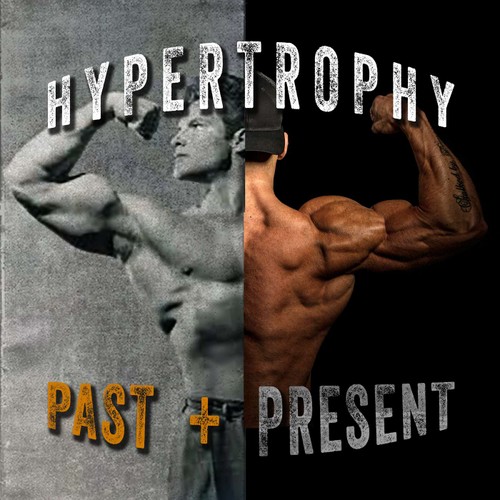
 Hypertrophy Past and Present
 046 How fast can you grow?
12 snips
Apr 7, 2026 They dissect a classic Frank Zane full‑body beginner plan and its single‑set sequencing. They explore why strength jumps can reflect neural or tendon changes rather than muscle. They argue progressive overload is evidence of adaptation, not the cause. They cover realistic natural growth rates, why constant exercise changes stall progress, and how to estimate your natural muscle potential.
AI Snips
Chapters
Transcript
Episode notes
Frank Zane Full Body Single Set Blueprint
- Frank Zane's golden-era full-body plan is a 3x/week single-set routine with ~13 exercises emphasizing symmetry and brief stretches between sets.
- It uses front squats, split squats, lat pulldowns, incline DB press and pullovers, and prescribes resting until breathing normalizes between sets.
Stretch After The Second Exercise Not After Every Set
- Do static stretches after the second exercise for a muscle group rather than after every single exercise to avoid CNS interference and preserve performance.
- Short total stretch time (10–60s) matters more than fragmentation; total exposure drives sarcomerogenesis.
Strength Gains Usually Reflect Hypertrophy In Bodybuilding Context
- You can gain strength via neural, coordination, tendon, or stiffness adaptations without hypertrophy, but you cannot increase muscle size without some strength increase.
- Therefore exercise-specific strength gains are strong evidence that the targeted muscle actually grew.