Jungian analyst Susan Schwartz discusses Imposter Syndrome through a Jungian lens, exploring the 'as-if' personality and its psychological underpinnings. She emphasizes authenticity, introspection, and personal growth, addressing the interconnections between imposter syndrome, fragility, and narcissism. The podcast also delves into the impact of social media on reality perception and the importance of embracing one's true self to overcome imposter syndrome.
43:01
forum Ask episode
web_stories AI Snips
view_agenda Chapters
auto_awesome Transcript
info_circle Episode notes
insights INSIGHT
The Void Within
Winnicott's 'false self' differs from the 'as-if' personality, which involves a void, an absence of self from neglect.
This void isn't about hiding a true self but a buried self needing unearthing in analysis.
volunteer_activism ADVICE
Addressing Imposter Syndrome
To address imposter syndrome, actively inquire about feelings of fraudulence.
Validate these feelings and explore their origins to uncover the authentic self.
insights INSIGHT
Narcissism and Imposter Syndrome
Imposter syndrome exists under the umbrella of narcissism, both sharing aspects of isolation and a fragile self.
Narcissism, like the myth of Narcissus, is a singular, walled-off state craving penetration and connection.
Get the Snipd Podcast app to discover more snips from this episode
We’ve just launched our Spring Fundraising Drive! We need your help to keep this free podcast, our classes, and our training programs going. Become a supporter by making a donation today!
Imposter Syndrome seems ubiquitous in the collective. This episode explores the psychological underpinnings of the “as-if” personality through a Jungian lens. Host Patricia Martin talks with author and Jungian analyst Susan Schwartz about the inner world of Imposter Syndrome and why the same forces that can disturb personal development, can also provide the impetus to embrace a more complete self. Schwartz draws from her recent book, Imposter Syndrome and The ‘As-If’ Personality in Analytical Psychology.
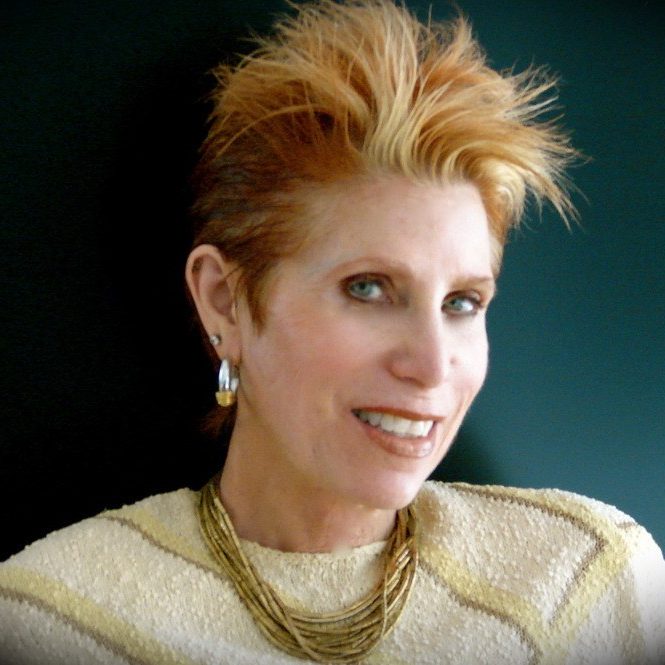
Susan E. Schwartz, PhD, is a Jungian analyst educated in Zurich, Switzerland and is a licensed clinical psychologist. For many years Susan has been giving workshops and presentations at numerous local, national, community and professional organizations, and lectures worldwide on various aspects of Jungian analytical psychology. She has written several journal articles and book chapters on daughters and fathers, Puella, Sylvia Plath and has co-authored a couple of books, including Imposter Syndrome and The ‘As-If’ Personality in Analytical Psychology.
She is a member of the International Association of Analytical Psychology and the American Psychological Association. Susan maintains a private practice in Paradise Valley, Arizona serving people in the greater Phoenix area, Tuscon, Prescott and Cottonwood, West Valley, Scottsdale and Tempe.
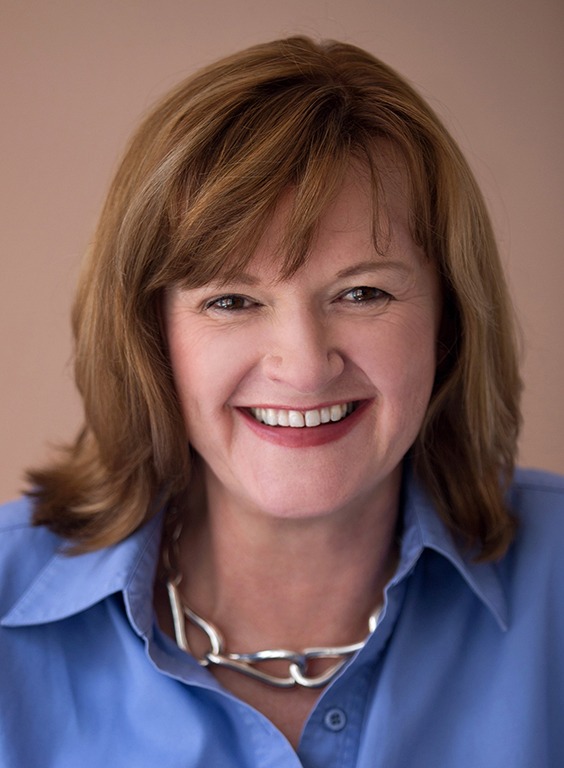
Patricia Martin, MFA, is the host of Jung in the World. A noted cultural analyst, she applies Jungian theory to her work as a researcher and writer. Author of three books, her work has been featured in the New York Times, Harvard Business Review, Huffington Post, and USA Today. She holds an MFA in writing and literature from Bennington College and an MA in cultural studies at the University College, Dublin (honors). In 2018, she completed the Jungian Studies Program at the C. G. Jung Institute Chicago where she is a professional affiliate. A scholar in residence at the Chicago Public Library, for the last decade she’s been studying the digital culture and its impact on the individuation process. Patricia travels the world giving talks and workshops based on her findings, and has a private consulting practice in Chicago.
This podcast is licensed under a Creative Commons Attribution-NonCommercial-NoDerivatives 4.0 International License. You may share it, but please do not change it, sell it, or transcribe it. Executive Producer: Ben Law Hosts: Patricia Martin, Judith Cooper, Daniel Ross, Adina Davidson, and Raisa Cabrera 2023-2024 Season Interns: Claire Weber, Harris Lencz Music: Michael Chapman


 Jung Chicago Radio