

 LMScast with Chris Badgett
 Transform Your Teaching With Lee-Anne Ragan
This episode is brought to you by Popup Maker
Boost Your Website’s Leads & Sales with Popup Maker
Get started for free or save 15% OFF Popup Maker Premium—the most trusted WordPress popup plugin to grow your email list and increase sales conversions.
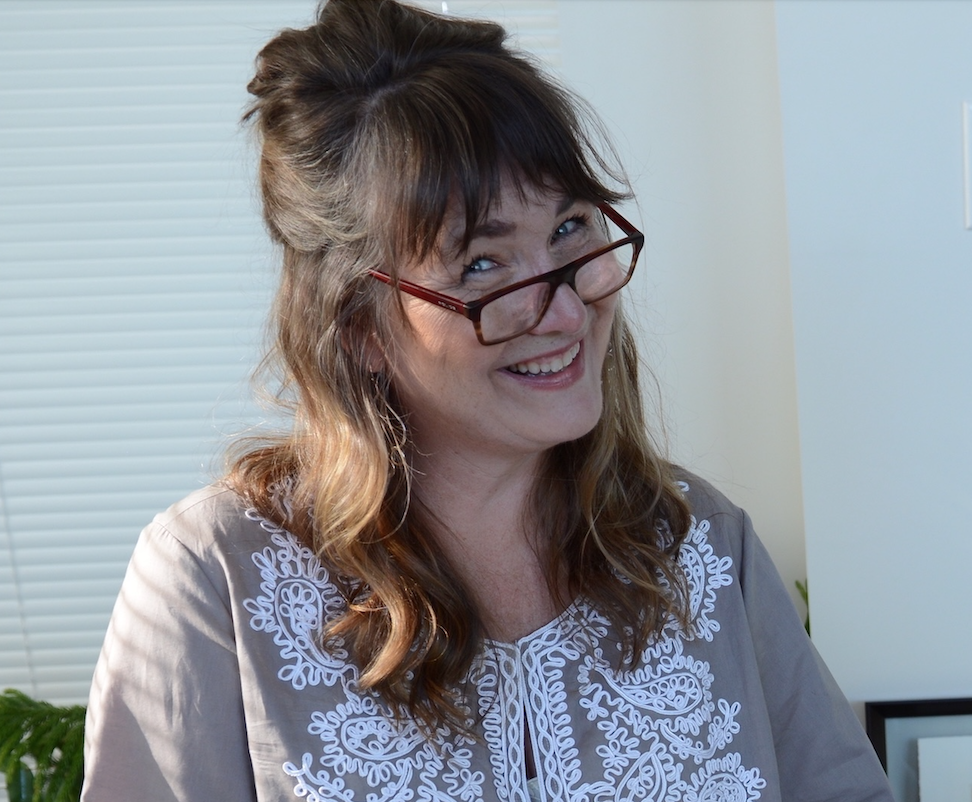
In this episode of LMScast, learning and development specialist Lee-Anne Ragan, who has over 40 years of experience working with international organizations, such as the United Nations, shares useful tips for designing more successful and captivating learning opportunities. According to her, many course designers fail because they don’t always understand how people learn best, not because they lack knowledge.
In order to assist trainers in creating well-rounded learning programs, Lee-Anne presents her SAKE framework, which stands for Skills, Attitude, Knowledge, and Experience. While many courses place a lot of emphasis on knowledge such as theory, frameworks, and information, Lee-Anne highlights that students really appreciate experiencing the most, which means having the chance to put what they’ve learned into practice after the course.
However, the component that online courses and training programs most commonly lack is experience. Additionally, Lee-Anne talks about “information overload,” or what she refers to as “infobesity,” which is a condition in which individuals are overloaded with information and have shorter attention spans. Because of this, course designers must make their material interesting, helpful, and instantly applicable in order to lower learning friction. She suggests planning instruction for both before and after the learning experience, in addition to what occurs during the course. For instance, teachers might use resources like her HARP technique (Highlights, Actions, Resources, and Pictures) to assist students capture important discoveries in advance. Through challenges, communities, or practical projects that promote ongoing practice, designers should assist students in putting their knowledge into practice after the course.
The significance of establishing a psychologically secure learning environment is another important idea Lee-Anne emphasizes. She describes how the amygdala in the brain affects learning by assessing whether a student feels scared or comfortable.
2025 WordPress LMS Buyer’s Guide
Exclusive Download! Stop wasting time and money researching online course and membership site tech.
Here’s Where To Go Next…
Get the Course Creator Starter Kit to help you (or your client) create, launch, and scale a high-value online learning website.
Also visit the creators of the LMScast podcast over at LifterLMS, the world’s leading most customizable learning management system software for WordPress. Create courses, coaching programs, online schools, and more with LifterLMS.
Browse more recent episodes of the LMScast podcast here or explore the entire back catalog since 2014.
And be sure to subscribe to get new podcast episodes delivered to your inbox every week.
Episode Transcript
Chris Badgett: You’ve come to the right place if you’re looking to create, launch, and scale a high value online training program. I’m your guide, Chris Badget. I’m the co-founder of lifter LMS, the most powerful learning management system for WordPress. State of the end, I’ve got something special for you. Enjoy the show.
Hello, and welcome back to another episode of LMScast. I’m joined by a special guest. Her name is Lee-Anne Ragan. She’s at rock paper scissors ink.com. I met Leanne at a conference in the UK for membership sites. It was awesome to connect and she has an interesting life, as well as interesting skills, tips, and knowledge to share about how to be.
A better teacher, workshop leader, coach, communicator. But before we dive into it, first, welcome to the show, Leanne.
Lee-Anne Ragan: Thank you, Chris. I am so excited to be here. And just a big shout out to all your listeners and your viewers for being interested and showing up and times are challenging right now.
And thank you for being here. We appreciate it.
Chris Badgett: Let’s share a little bit about your life. ’cause I find it so interesting, like some of the things you’ve done and places you’ve lived. Give us a little context. Into the leanne that we’re, listening to or watching today?
Lee-Anne Ragan: That’s a good question.
I am a learning and development expert. I’ve been in that field for, gosh, 40 years or something like that. I hold a Canadian passport. I’m a proud Canadian, and I just spent the last 14 years living in Kenya in East Africa. And you might think to yourself, this does not look like a Kenyan background.
It’s because I’ve just moved to France. So I am in Southern France adjusting to weather that is very different from Kenya. And I’ve just, I think I’ve been here a few months and I’ve just about finished the, when I see a little thing out of the corner of my eye, I’ve just about stopped thinking, oh, it must be a monkey.
Not too many of those in Southern France. But I, I’m all about changing the way the world learns. I think that if we put more emphasis on learning, really good learning, that’s engaging and interesting and raises curiosity, that’s a game changer. I have taught more than 50,000 participants.
I think it’s almost close to 55 now. In and from more than 150 countries. I’ve worked with all sorts of un teams and agencies all over the world, and I’m the founder of the Learning Development Roundtable and the Transformative Trainers Academy, and I’m also a huge fan of Chris’s. So super excited to be here.
Chris Badgett: Funny when we met we were at a conference and just making introductions at a table. And then you recognized the podcast voice, which has never, rarely happens to me in person. So it was it was a lot of fun.
Lee-Anne Ragan: I just about got whiplash. I think I was looking down, taking some notes, and my head literally flew up.
I’m like, I know that voice. I would recognize that voice anywhere.
Chris Badgett: Yeah. That’s, fun. Yeah. That
Lee-Anne Ragan: was really fun.
Chris Badgett: It’s a small world in reality.
Lee-Anne Ragan: Yeah.
Chris Badgett: We talk a lot on the show about the five hats you have to wear. One of ’em is to be an entrepreneur. One of ’em is to be a subject matter expert.
One of ’em is to be a community builder. One of ’em is to be a technologist. And the final one where you really sit strong is to be a teacher or instructional designer or coach. And that’s often a weak point. Like somebody may be good at tech, good enough to put a website together, do some marketing. Start a business.
They have their subject matter expertise. They’re super passionate, but they never went to teaching school, or they don’t necessarily have a lot of experience like running groups or learning environments. So dial us in. Take us in on some of the ways that any course creator or coach can get past the writer’s block or the fear of.
Teaching and taking all this passion and subject matter expertise and actually creating an engaging learning environment.
Lee-Anne Ragan: Yeah, I’m so glad you mentioned that, Chris. Those different hats. ’cause I think much like you, I think lifter talks about reducing the friction. And I think we put so much friction in place with learning.
And I think you’re absolutely right. People are, I talk about being info busy. And Infobesity we are so busy, we are walking and talking faster than we did generations ago. And my youngest son is a filmmaker. And I did a little bit of research. I don’t know if you’ve ever watched a film from decades ago, like the 1930s, but the average shot length, you’ll notice this right away if you haven’t seen one recently.
The average shot length of the where they hold the scene is 500% shorter. 500% shorter. Like our attention spans are just like, I don’t you gotta grab ’em in five seconds or someone’s off to the new thing. And despite learning being one of the best predictors of personal income and country income, but despite all that. We don’t put a lot of emphasis on that. We want to know without going through the process of learning. And I’m sure you face that all the time with tech, right? People want to know, how do you use this tech thing? I just wanna understand it. And I remember a colleague, the most mild mannered professor, brilliant PhD, world renowned expert, super gentle, super soft, not a fan of tech. And she actually threw her computer down on the floor and broke it ’cause she was so frustrated with the tech. Yeah, I think this whole notion of really trying to bring acknowledging that your listeners and viewers have a lot on the go.
We all do, but if we bring that learning a little bit more to the forefront and reduce that friction. I think we can have so many huge benefits. You’ve got coaches and trainers and game changers and change makers all in your in our community working together.
And it just makes a huge difference. I, remember. Doing a workshop for the UN and Mogadishu in Somalia. We’re in a conflict zone. We are in a highly secure area, and I did a a conflict resolution workshop for, a team, a UN team, and I was in the. The restaurant eating dinner that, that night.
And this woman comes flying at me and gives me this big hug and she’s just all exuberant. And she was Syrian actually, and she talked about using one of these really simple techniques from, the workshops, and she was able to really deescalate the conflict. It made a big dis it made a big difference.
So just backing up there, I think. Placing an emphasis on learning. And I know folks have worked so hard to get to where they are with their subject matter expertise. So putting a lens on that learning can mean growing your audience, making a bigger impact, making a difference, building a bigger community all of those kinds of things.
An example of not doing that. Is, I remember years and years ago I went to a coaching workshop and it was like like a sports coaching. And Chris, I know you run these incredibly long runs and you climb mountains and I’m as far away from that as you can get, right? I’m quite happy on the weekend to hunker down and read and I’ll go dancing, like whatever.
So going to this coaching clinic, I was so nervous and anxious and it was a big stretch for me. And this happened I don’t know, maybe 30 years ago. I don’t remember anything from the workshop except for one thing, which is where the teacher told us that if he caught us, and there was, by the way, there’s a hundred, about a hundred people in the class.
If he taught us, if he caught us rather with our hands in our pockets, he would point at us and we had to come down to the middle of the auditorium and do 10 pushups in front of everyone, like chris, all we can, all I could think of is wear my hands. Wear my hands. Don’t put your hands in pockets.
Wear your hands. Wear your hands. Don’t put them, don’t wear, no, don’t just pay attention to your hands. Just focus on your hands. Don’t put them in your pockets right now. What does putting your hands in your s have to do with coaching? I don’t think there’s a good case for a connection there but it definitely left an impression in terms of I didn’t learn anything else except keep my hands on my out of the pockets.
You asked about some tips and such for creating, really engaging, sticky learning. Years ago I was at I was doing a, workshop for U United Nations team and I was in Cairo and there were people from all over the world. It was like a five day workshop I was leading and.
I remember it was supposed to be a competency based workshop, and I remember a couple of the participants coming to me saying, Leanne, if we don’t have this competency, does it mean that we’re incompetent? And Chris, I don’t know if you’ve had something in your world happen where someone asks you the best question and you end up thinking about it for a month after.
That led me to designing this tool called, it’s an acronym called sake. So you can look at it for your sake as a course creator, as a coach, as a trainer, as a changemaker, a game changer. You can look at it for the sake of your participants, your community, you know the world, however you wish, and it’s where S stands for skills, right?
So whatever your content is, what skills do you wanna teach? A stands for attitude. Chris, I don’t know if you can remember. And I know you’ve got two girls when they were little. When they were toddlers. Do you ever remember trying to get them dressed? One of them dressed when they did not want to get dressed?
Can you remember doing that?
Chris Badgett: I can’t.
Lee-Anne Ragan: Yeah it’s hard to tar toddler that does not wanna get dressed. So the A stands for attitude, which is mission, vision, and Values and Motivation, right? So how can we help our participants? And by the way, I’ll use different words. You might use clients, you might use contacts, you might use students whatever works in the world of the listeners.
How can we help motivate them? How can we create some attitudinal like I wanna be here, right? It’s the difference between dressing a toddler that wants to get dressed and not. So S is skills, A is attitude, K is knowledge. So that’s all the information, the theory, the frameworks, the research, right?
And then E stands for experience, and that’s how do we get the learners to experience your content. Outside of the course. So how do we get them to use it? Practice it when the course, when the workshop, when the seminar is over. So that’s my sake to, I have a survey I can share with your listeners. ’cause we all have biases, right?
We love we, unconsciously, we teach how we like to learn. Which is great for the people who learn like we do, right? So you’ll probably have a bias. In the S, the A, the K and the E. And I’ve done this survey for years and years, and the thing that people are looking for the most, it never moves out of top place.
So Chris, can you guess if, someone’s coming to a workshop, right? They’ve signed up for a course, right? They’ve, they’re going to a conference, they’re going to a. An online webinar, whatever. Maybe people listening now think which one do you think is the most important to people?
Is it skills? I wanna learn how to do something? Is it attitude? I want to focus on my mission, my vision, my values, my motivation. Is it knowledge? I wanna learn theory and information and research? Or is it experience? I want to use what I’ve learned outside the classroom, whatever the classroom is. What do you think?
Chris Badgett: It’s probably knowledge, and this goes into the maybe the infobesity thing you were mentioning. Ah,
Lee-Anne Ragan: okay. So
Chris Badgett: that would be my guess, but, or maybe it’s an experience. I’m not sure.
Lee-Anne Ragan: Ding ding,
Chris Badgett: Yeah.
Lee-Anne Ragan: It’s actually experience.
Chris Badgett: Okay.
Lee-Anne Ragan: Yeah. So pe, which is. Fantastic. I’ve, people have taken this survey from all over the world and it never comes out of top place.
And if you think about that people have signed up, they’ve paid money, or if it’s free they’ve set aside the time ’cause they wanna learn from you. Chris, they like, they’re like, I am in this place where I wanna learn this thing and I want it to make a difference. That is like the angels are singing, the confetti is falling.
The neon lights. Strobe lights are glowing. That’s fantastic. As opposed to, I just wanna do this thing. ’cause I just wanna check it off the list. Now, if experience I wanna use your content, right? It’s not just, I wanna learn how to use lifter LMS, I want to learn how to use these tools. I actually want to use them in my business.
It’s not like a. Technical thing, or like a university big lecture thing. I wanna be very pragmatic if, that’s what most people are looking for. The E what do you think more, most course creators leave out of the four, the skills, attitude. Knowledge and experience, which is the thing that’s missing from most courses?
Most webinars, most complex,
Chris Badgett: probably attitude.
Lee-Anne Ragan: Oh,
Chris Badgett: or skills.
Lee-Anne Ragan: I love that you, I love that you said attitude. When I chat with folks that I’m teaching. People tend to think, they either get the attitude piece of course we people, we need to have a vision. We need to hold that motivation. Or they’re like, my content has nothing to do with attitude, which I would pick to differ.
Like different content. You’ll have different percentages in these things, but each one is really important. It’s actually, are you ready? It’s actually experience. Okay.
Chris Badgett: Yeah.
Lee-Anne Ragan: So the thing that people want the most,
Chris Badgett: they leave out, this
Lee-Anne Ragan: is the thing, this is what we’re leaving out. Yeah, this is what we’re missing.
What most, and if you think about it, Chris, I don’t know, I don’t wanna put you on the spot, but if you can maybe think about a course that you took or a webinar or a workshop, did the instructor build in a way to help you apply that learning? Can you.
Chris Badgett: In most cases, no, but I’ve had the fortunate experience of having cases where that was there.
Lee-Anne Ragan: Great. Great. And can you think of how they did that?
Chris Badgett: Yes. So two main ways. One was this was more of a coaching program that had a lot of course content and knowledge, but it also had three in-person events per year. So those are everybody coming together.
Speaker 3: This episode of LMS Cas is brought to you by Popup Maker, the most powerful, trusted popup solution for WordPress. Whether you’re selling online courses or memberships, popup maker helps you grow your email list, boost sales conversions, and engage your visitors with highly customizable popups. Imagine creating custom opt-ins, announcements and promotions that actually convert.
I personally use pop-up maker on my lifter LMS websites for lead magnet opt-ins, card abandonment, upsells, downsells, and guiding users to helpful content. Popup Maker is an essential tool for growing my email list and making more money online through my website. Ready to take your website to the next level?
Head on over to wp popup maker.com/lmscast and save 15% on your order. Discount automatically applies when you visit through that link. Papa Maker also has an awesome free version, so you can just use that as well. Go to wp popup maker.com/lmscast and save 15% off your order or get started with the free version.
Now. Get more leads and sales on your website with popup Maker today. Now back to the episode.
Lee-Anne Ragan: Okay.
Chris Badgett: Which creates an experience. And then there was a lot of in a training there would be time set aside to actually this, creator had a concept called no homework.
So when you came to the to the session, you would learn some information, there’d be some coaching, but there will also be time in that time boxed hour or two where. Everybody’s actually working on a worksheet or something to implement the ideas we just learned about. So it was all packaged together.
Lee-Anne Ragan: Great. I’m super happy to hear that. And I’m gonna just gently push back a little bit ’cause the, e for experience happens. Outside of the course, so it’s when that person who’s leading the course is not there. It’s when you’re not meeting with people inside the cohort. It’s say, the workshop is Monday from nine till 11:00 AM What’s happening two weeks on a Friday?
Yeah. Like how are they helping you when they’re not present? There’s no course happening there’s no cohort, there’s not, there’s nothing like that happening in real time. Have you had an experience of someone helping you?
Chris Badgett: I’ve definitely had community, yeah, the cohort community thing where I help people or somebody helps me.
Lee-Anne Ragan: Yeah.
Chris Badgett: Whether that’s in a Facebook group or someplace like that.
Lee-Anne Ragan: That’s a great one. Yeah, that’s a great example of deliberate deliberate community, right? Where I can go and ask a question, I can support other people. That’s a great example. There are
Chris Badgett: one I just wanna add is I’ve participated in challenges, so like outside of the training.
Lee-Anne Ragan: Yeah.
Chris Badgett: We’re gonna do something like go live on social media for 30 days straight, just to get comfortable with it and start doing it, that kind of thing.
Lee-Anne Ragan: Exactly. That’s a great, that’s a great one as well. I like to call this kind of a three for one. Like how can we triple the impact that we’re having with our participants?
Most people look at the engagement the actual course, the actual seminar, et cetera. But we also wanna look at what happens before that. And you and I talked before we. We started recording. One of the things I like to do is give participants a tool to help them capture their learning, right?
In the show notes, there’ll be a link to a tool called a harp, which once you download it, it’s a PDF and it becomes editable. And you can look at your highlights, the actions you wanna take, resources. And then pictures. Pictures are great. It’s permission to doodle. ’cause our brains interpret images 60,000 times faster than text.
So images are, fantastic. So that’s one tool to help people engage before your workshop. And then there’s lots of tools to help people engage after. Chris I’m gonna guess that you know the term Easter egg. Do you like. In the world of gaming, is that something that’s familiar for you?
Chris Badgett: I do not.
The Easter egg.
Lee-Anne Ragan: Okay. And have you ever used it in learning? Have you ever put an Easter egg in a course?
Chris Badgett: No, but I have it myself.
Lee-Anne Ragan: Yeah, that’s another great way to, to have people experience the learning after the workshop. And for folks who, aren’t familiar with Easter eggs, it’s where you hide something, right?
You hide a little surprise in the content. So in the past, I’ve. I’ve directed people back to, for example, the PowerPoint deck and say, Hey, there’s a hidden watermark on slide 12, and slide 12 just happens to be the summary of the whole course. Like it’s a strategic slide that I’m guiding them to, or I’ll guide them to an emoji.
And if they click on that emoji, they get an audio clip, it’s me summarizing the course. Or it’ll connect to a playlist, like a musical playlist where the first letter, now these. I can feel some of your listeners, like their blood pressure’s going up like, Leanne, do you know I don’t have that much time like you do.
You pick the ones that work for you and your time, so you know, a little bit com more complicated one. I have playlists where the first letter of each song spells a message, right? Because when we raise the curiosity of our participants, it’s just people will work very, hard to satisfy that curiosity.
Does that make sense?
Chris Badgett: That does make sense. Okay. That’s awesome. I do have a question for you around I think it’s pretty unique and awesome that you’ve had all this experience with the UN and working across cultures and countries. What’s something you think is the biggest takeaway of having had that experience that perhaps, you know, somebody who’s not working in that?
Kind of intensity of a conflict region or having to do all this cross-cultural communication and change management. Let’s say they’re, teaching something like dog training and they’ve, never left their home country, but they’re just as passionate. What’s the, skill that comes from all that UN experience or a counterintuitive insight about communicating and creating change?
Lee-Anne Ragan: Oh, I love that. That’s a great question. I’m gonna ask you to repeat the word amygdala when I count to three. And for folks that are listening, if you wanna do this as well, feel free. So on the count to three, please say the word amygdala. 1, 2, 3.
Chris Badgett: Amygdala.
Lee-Anne Ragan: Okay. You now know the Greek word for almond.
So Chris, you’ve probably never been told this. I’m going to I’m pretty sure you’ve never been told this, but you are an amazing almond massager right now. What the heck am I talking about? You may know We have two amygdalas. Again, the Greeks named the part of our brains and they didn’t know what these things did, but they look like a almond.
So they named them almond or amygdala, and. Our amygdalas are really, important in learning. They help decide, can I eat it? Meaning I’m calm, I’m safe, I’m okay. I can proceed to learning, or it’s going to eat me. Meaning maybe I’m embarrassed, I’m ashamed, I feel awkward, I feel left out. I don’t feel included.
I’m exhausted, like any of those things. So no matter what the content is. No matter where you are in the world, massaging people’s amygdalas is super important because there won’t, it’s like that coach who told us that if he caught us with our hands, like I, I can still feel my blood pressure go poof.
Like I’m anxious and nervous just talking about it. So that’s my amygdala. Completely flaring. By the way. When our amygdalas get upset, they grow to be the size of walnuts. They go from almonds to walnuts. So there’s no learning happening. So thinking about how do we help our participants to feel welcome, engage like they belong?
Because putting ourselves in the learning seat, if you think about it, there is no other. Act that has such potential for vulnerability, for hope, for optimism, for growth for development, right? Because I’m coming to you saying, I don’t know this thing, and hey I’ve chosen you. I wanna learn from you. And that can be anything from your voice like you. So there’s three different kinds of communication skills. You’ve probably heard of the first two, which is verbal and nonverbal. But Chris, your para verbal skills are off the chart. Any guesses what para verbal is? Have you heard of para verbal? I have
Chris Badgett: no idea, but I’m excited to learn.
Lee-Anne Ragan: It’s why I recognized your voice. Okay, so it’s the tone, the pacing, the volume. You may have noticed, like at some point I dropped my voice and I whispered for a while. If we weren’t on camera and I asked you to put your your fingers like right underneath your mouth. If you weren’t on camera you can’t see them.
But it’s right there. It’s like our voice. Our voice is a, it’s right in front of us. It’s such a powerful tool for teaching. One tip I’d say, and by the way, this is built into PowerPoint. PowerPoint you may or may not know, has this incredible ai option where you bring up your deck and then you go to, I think it’s called Presenter coach.
I can put this in the notes for people to access. And you have your 24 hour a day 24 hours a day, seven day a week, private personal speaking coach. It measures all kinds of things, including it it measures how often things like that, it measures your pace, right?
It’s all at your fingertips. Yeah. So one thing I’d say is your voice, like in terms of massaging, amygdalas helping people feel comfortable and confident and able to learn your voice engaging beforehand. We can’t all do that. Sometimes people show up and we don’t know who’s, coming.
But if you can try to engage folks ahead of time and then engaging them after simple, things like here’s a link, which I’m gonna do with all the resources that I talked about. As long as you remember this one link, everything’s there for you, right? It’s a sweet spot. It’s easy. It’s not gonna take a lot of time.
Everything’s there in one place. Also. Knowing what kind of trainer you are I have a tool called Life Lenses, which is it’s like a personality assessment that I’ve trademarked and tens of thousands of people have used it. And it really looks at what comes onto your radar easily, naturally, and comfortably.
And what do you miss? ’cause it’s we’re getting into awkward territory here. So Chris, let me know if this is something. That you would do and you would notice or you’d be like, that is not me. So true story. I’m doing a workshop. It’s in person. There’s maybe 200 people in the room.
I do this workshop on life lenses, and I’m pointing out carrot life lenses. So carrots are very detail oriented. They, look down detail focus, focus, And at one point. This woman stood up. True story. She turned around. It was behind her. She was not looking at it. This was behind her, and there was a big banner in the conference hall that was missing a comma.
It had a phrase on it and it was missing a comment. And she said she ran up to the banner and she took a felt and she put the comma on the banner and she said, that has been distracting me all day. So Chris, is that, does that speak to you? Do you like, oh, I so notice all the details. Are you like, no, that’s not me.
Chris Badgett: That’s not me. Okay,
Lee-Anne Ragan: so you’re probably the opposite of a carrot, which is a mountain. Mountains are big picture, look up visions strategy, right? On a bad day, carrots can get their head buried in the sand on a bad day. Can have their heads in the clouds. Oh, Chris, sorry. We’re supposed to meet Monday at two about kaka dunk.
Ah, sorry, I thought it was Wednesday at eight. About, so I have a survey. People can look at what kind of trainer they are because the, life lenses that you identify as, those are your sweet spot. That’s where the sun shines. You are automatically going to do really well, and the people that have the same lenses.
As you will love your workshops and in terms of massaging those amygdalas and not leaving people out, there’s some tips you can take. The Full Life Lenses assessment, it’s on my website, it’s free. You get a report that describes everything. So the key then is to look the lenses that you’re not. So Chris, if I was to take a workshop from you.
I would expect to be like the vision, the big picture like, oh, the sun is shining. That is what you do so well, and maybe, you would. I need to focus a little bit also on details for the people who are carrot lenses and are like, okay, my head isn’t, there’s not as much oxygen up there. I need some more oxygen.
I need some more details. Does that resonate? Does that land?
Chris Badgett: It totally lands, and you mentioned your website, which I just wanna say is rock paper scissors inc.com. We’ll also have a link in the show notes to all the resources that Leanne is mentioning. So that’s it. The LMS Cast website. This is amazing.
Lean Ann, tell us what’s going on in the academy. It’s the Transformation Transformative Trainers Academy. What’d you create there? Who’s it for? What does it do?
Lee-Anne Ragan: Oh, thanks. Thanks for asking. So this has been a lifelong dream of mine and. It’s for game changers and change makers for coaches, facilitators, trainers who have some content that they are already getting out into the world, or they wanna start getting out into the world.
You’ve got a, you’ve got a topic that you’re passionate about and you’ve got crisp behind you. You’ve got your tech stack. You or you’re working on it. You know where to go for that. This is a place, it’s a global community. It’s an online membership. Where people can come together to learn how to design.
And deliver. ’cause those two things need to go to together, design and deliver workshops that wow. Like really engage and make a difference. There’s online resource portal that people get access to with 40 plus years of tools that I’ve created. And then we have a once a month live call that’s divided into a masterclass where I teach a workshop and then a learning lab, which is where the members can say, Hey.
I’m doing this workshop and I’m really, I don’t know how to start. I know I’ve got my ending or I don’t know how to make it more inclusive, or I am stuck on a tech tool. So it’s a time to really live up and support our members based on a topic they’re talking about.
Chris Badgett: So unique approach to pricing with that, which is very cool. It’s affordable. I’m always hesitant to mention exact price points ’cause it may change. But you set it up so that it’s approachable for anybody or groups and whatnot. It’s awesome.
Lee-Anne Ragan: Yeah. So it’s really important to me. I’ve worked in.
Urban settlements slums. I’ve worked in C-suites and I think we cordon off ourselves into our little bubbles, and I think a lot of learning can happen between folks. So I really wanted to make it as accessible as possible. So there’s three pricing levels and if none of those work, I’m happy to chat with folks as well.
But one is a a pretty. If you’re having issues. Beyond meeting your basic needs, that could be an option for you. Then there’s a mid range, and then there’s a range for folks who want to cover that, the cost, but also support other people. And we have people at all levels in the Transformative Trainers Academy.
And people don’t know. They don’t know who’s who, so there’s no, and we like, oh, it’s just, yeah I’m just I feel so lucky to get to do that work because there’s. There’s a young climate, Ugandan climate change activist. There’s someone working with the World Bank, there’s a couple people who are university professors.
There’s people have all these different subject matter expertise and it’s about getting their content out and helping them really craft it into an engaging piece of learning, whether that’s a workshop or a seminar, conference, whatever. Yeah. And we have a lot of fun.
Chris Badgett: That’s good. You are fun to hang out with.
Lee-Anne Ragan: Ditto
Chris Badgett: itest to that. And there is an Easter egg on the about page on Leanne’s website. So see if you can find that. That’s at rock paper scissors inc.com. Check out the Transformative Trainers Academy. Leanne, if people want to connect with you outside of that or have questions, what’s the best way for anyone to get in touch with you?
Lee-Anne Ragan: Oh, that’s a good question. I’m on LinkedIn, so LEE. There’s as many syllables and letters in my name as possible, so LEE dash a NNE, Reagan, R-A-G-A-N. Or they can email me. The resources will have my email on it, but my email is LA Regan, R-A-G-A-N, at RPS as in rock, paper Scissors, Inc. INC as in incorporated.
Do ca.
Chris Badgett: Awesome Liam. Thank you for coming on the show. Really appreciate it and thank you for sharing your wisdom and getting everybody, myself included, excited about the opportunity to teach and lead in a better or more holistic way. ’cause there’s, that unlocks so much to really develop that skill and the way you help people do that with the Transformative Trainers Academy and all your content and everything you do is awesome.
Leanne has been very generous. There are a bunch of free resources for you. Go to the LMS cast website, find the episode with Leanne Reagan and get those resources. And thank you, Leanne, for doing all that you do. And love that you’re called to help the change makers and the people that are changing the game, sending out those positive ripples out into.
Their families, societies, and communities. That’s what it’s all about. So thank you so much. We really appreciate it.
Lee-Anne Ragan: Thank you, Chris. It’s just such an honor to get to do this work and I’m so grateful that I had snapped up that day at that conference. And I got to meet you in person and I really appreciate being here.
And just a real hats off to all your listeners and your viewers your content matter. It really makes a difference. And I’m really grateful for all the, I know how much work goes into how much a, how much work went into learning all that and becoming an expert. Then all the tech stuff and now also the learning piece of it.
So hats off to everyone and thinking about you all and celebrating you. Thank you.
Chris Badgett: And that’s a wrap for this episode of LMS Cast. Did you enjoy that episode? Tell your friends and be sure to subscribe so you don’t miss the next episode. And I’ve got a gift for you over@lifterlms.com slash gift. Go to lifter lms.com/gift. Keep learning. Keep taking action, and I’ll see you. In the next episode.
2025 WordPress LMS Buyer’s Guide
Exclusive Download! Stop wasting time and money researching online course and membership site tech.
The post Transform Your Teaching With Lee-Anne Ragan appeared first on LMScast.