Interpreting Spirometry Results and Airway Obstruction
This chapter delves into the analysis of spirometry results in a patient, highlighting the assessment of airflow limitation and reversible airway obstruction using FEV1, FVC, and FEV1/FVC ratios. It discusses the impact of age, conditions like COPD, and factors affecting the interpretation of spirometry tests to accurately diagnose respiratory conditions such as asthma.
Play episode from 07:08
chevron_right
Transcript
chevron_right
Transcript
Episode notes
The Pulm PEEPs are excited to bring our first mystery case! Kristina Montemayor and Dave Furfaro hear a fascinating case presentation from Pulm PEEPs senior editor Ansa Razzaq. Join us as we work through this case together to come to a diagnosis, and share our thought process along the way. Come back to these show notes afterward, or once you’ve solved the case yourself, for some key teaching pearls and representative images.
Patient Presentation
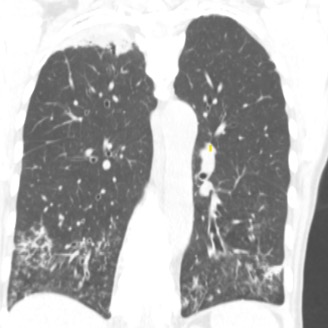
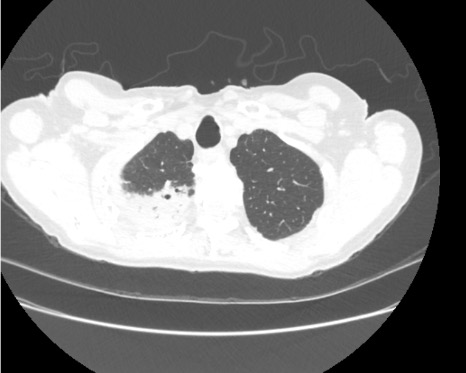
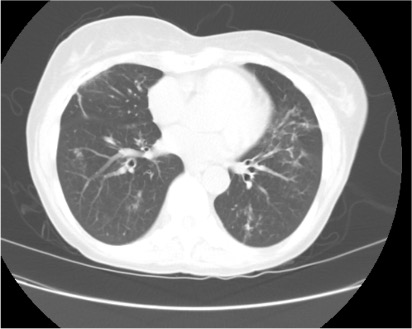
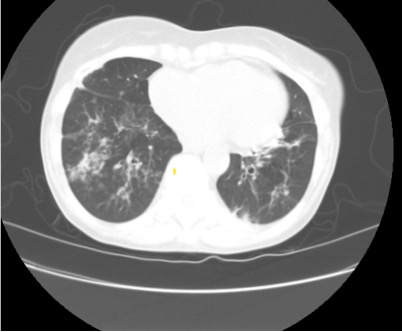
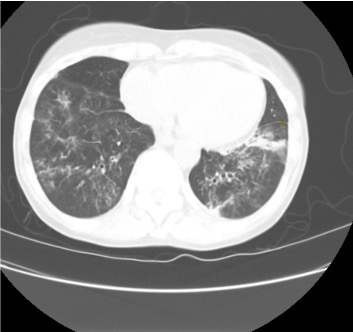
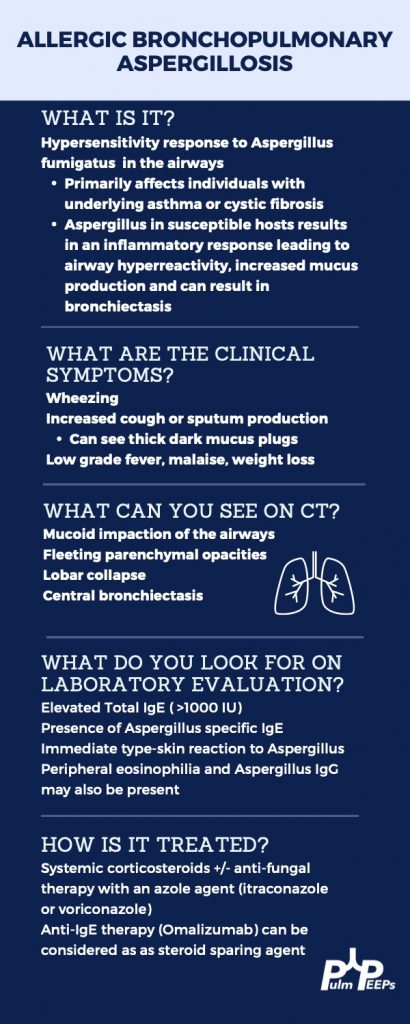
A 66-year-old woman with no smoking history and past medical history of previously well-controlled asthma is referred to pulmonary clinic after multiple recent episodes of dyspnea, wheezing, and coughing. The episodes have features consistent with asthma exacerbations; however, they are also associated with migratory infiltrates. She has been treated with multiple courses of antibiotics and steroids, and despite escalating therapy, the episodes are occurring more frequently and she was worsening overall exercise tolerance. Listen in to hear more and try to solve the case!
Representative Imaging
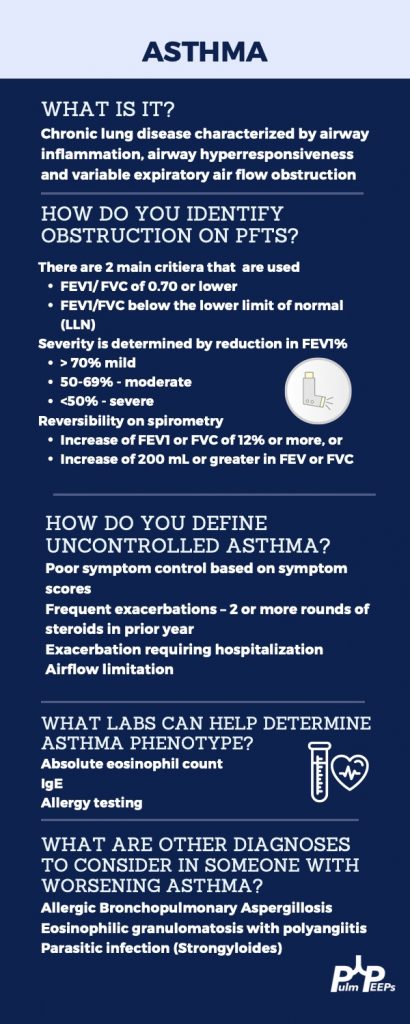
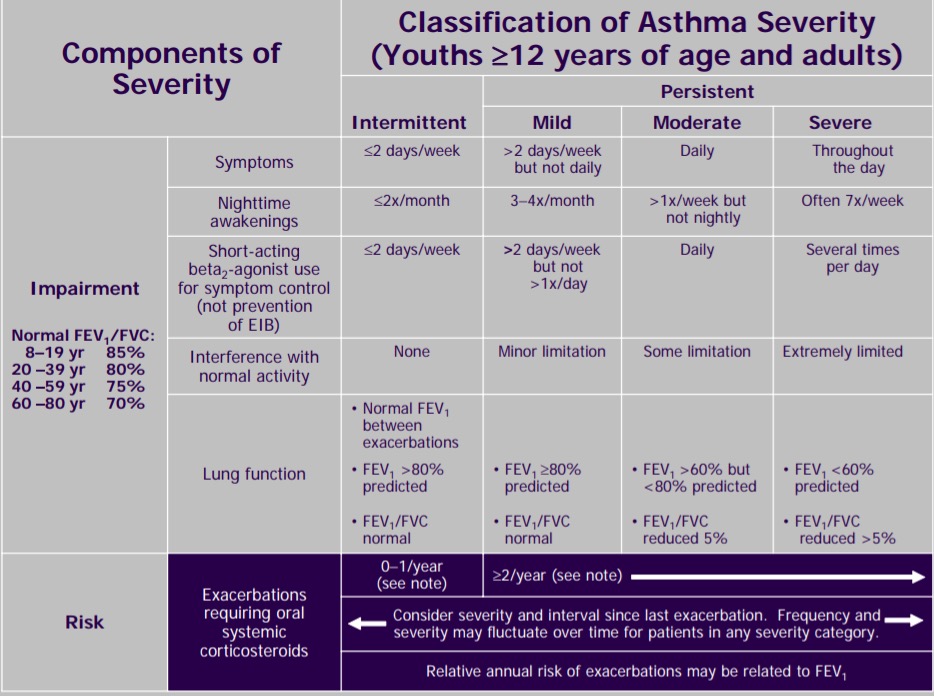
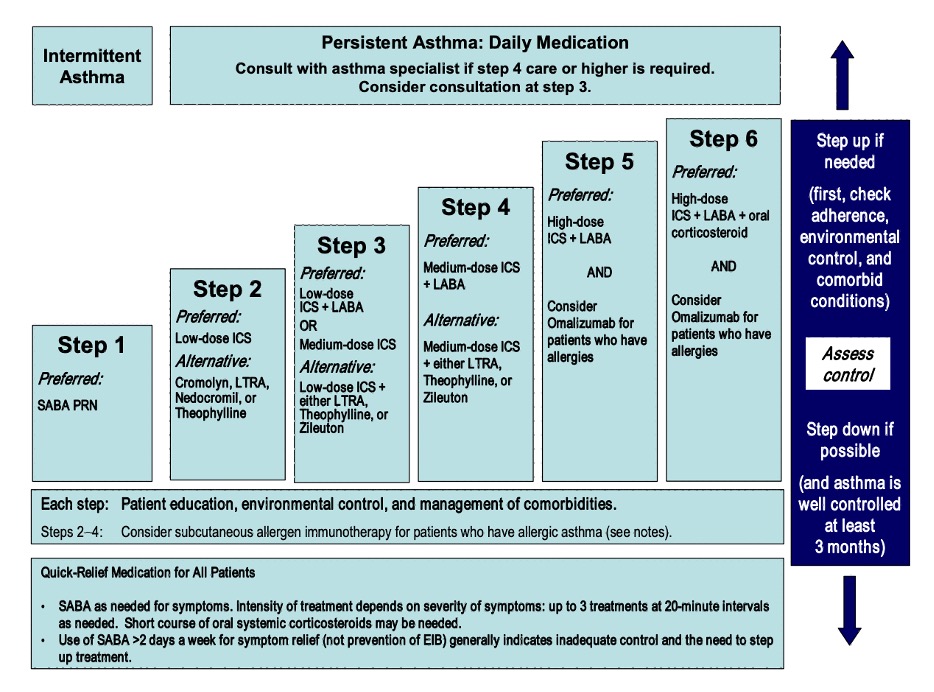
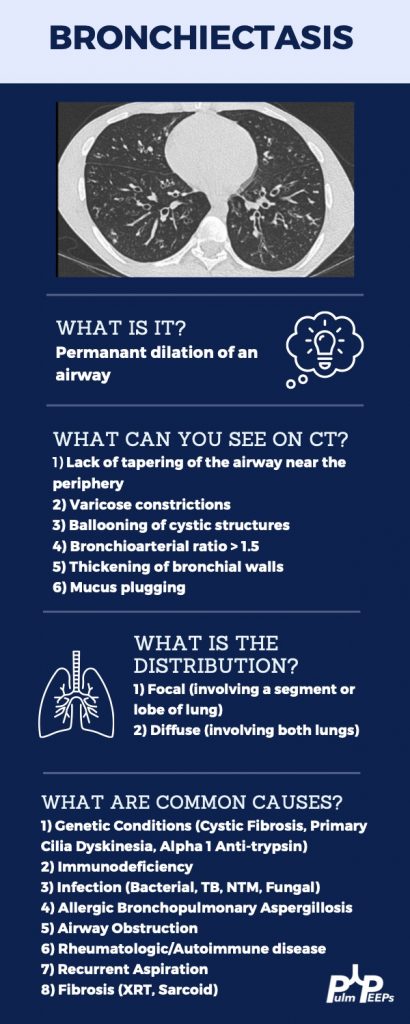
Key Learning Points
**Spoilers Ahead** If you want to think through the case on your own we advise listening to the episode first before looking at the infographics below.