

The Banker Who Made America
Thomas Willing and the Rise of the American Financial Aristocracy, 1731-1821
Book • 2026
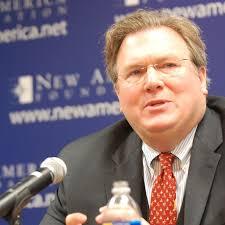
Richard Vague's 'The Banker Who Made America' examines Thomas Willing, Philadelphia’s wealthiest merchant and the first bank president, arguing that his financing and banking leadership were critical to the American Revolution's success and the creation of early U.S.
financial institutions.
Vague situates Willing within an emerging financial elite and contends that their influence shaped the Constitution and curtailed the most radical democratic experiments in Pennsylvania.
The book traces how wartime financing, smuggling, privateering proceeds, and the founding of America’s first bank underpinned state formation.
Vague also explores moral complexities, including Willing’s involvement in slave-trading and the compromises between moneyed elites and revolutionary ideals.
The work reframes the founding era as deeply influenced by financial motivations and institutions.
financial institutions.
Vague situates Willing within an emerging financial elite and contends that their influence shaped the Constitution and curtailed the most radical democratic experiments in Pennsylvania.
The book traces how wartime financing, smuggling, privateering proceeds, and the founding of America’s first bank underpinned state formation.
Vague also explores moral complexities, including Willing’s involvement in slave-trading and the compromises between moneyed elites and revolutionary ideals.
The work reframes the founding era as deeply influenced by financial motivations and institutions.
Mentioned by
Mentioned in 0 episodes
Mentioned by ![undefined]()

![undefined]()
Andrew Keen
Richard Vague

A Willing Philadelphia Story: Richard Vague on the Wealthiest & Most Invisible American Founding Father

